Solar Panel Removal and Reinstall for Roof Replacement in Florida
If you’re replacing your roof and already have solar panels installed, you’ll likely need solar panel removal and reinstall during the process. When planned correctly,

Buying Solar Power Infrastructure is a major capital decision, not a simple panel purchase. A project’s long-term performance depends on the fit between modules, inverters, mounting systems, grid connections, and maintenance plans. A low equipment price can look attractive on paper. It may prove costly if components are poorly matched or replacement parts are difficult to source.
Industry data offers useful context. The International Energy Agency’s World Energy Investment 2024 report projected global solar PV investment would exceed $500 billion that year. That scale brings more suppliers and choices, but also makes careful comparison essential. IRENA’s Renewable Power Generation Costs in 2023 report found that the global weighted average cost of electricity from newly commissioned utility-scale solar fell 12% from 2022. It was 56% below the weighted average cost of fossil-fuel alternatives. These are broad market figures, not a guarantee for any individual project.
Details matter. Check certified performance data, warranty terms, degradation assumptions, and the supplier’s service capacity. Ask how equipment will perform under local heat, dust, wind, or snow. For a rooftop system, inspect roof condition and available space before comparing quotes. For a utility-scale site, examine interconnection costs and delivery schedules. These questions can reveal gaps that a polished proposal may hide.
There is no perfect checklist. Prices change, and projected output can miss local realities. The following ten tips provide a practical starting point for evaluating suppliers, technical specifications, and project economics with clearer eyes.
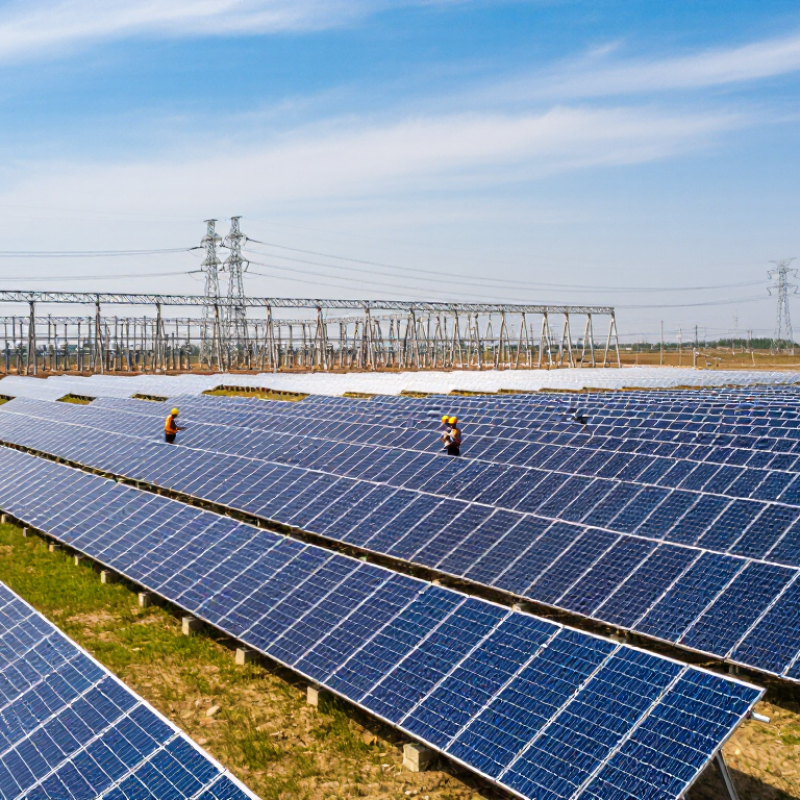
Before comparing solar equipment, measure what the site actually uses. Gather twelve months of utility bills and note seasonal peaks, outages, and planned changes. A workshop running welders at 2 p.m. has a different load profile from a home that peaks after sunset. Check interval data if available; monthly totals can hide brief demand spikes.
Identify essential circuits. Keep the lights on. Refrigeration, pumps, servers, or medical devices may need backup, while other loads can wait. Separate daily energy use, measured in kilowatt-hours, from peak power, measured in kilowatts. They answer different design questions.
Turn those observations into requirements an installer can verify: target annual energy offset, usable roof or ground area, backup hours, and acceptable grid dependence. Record seasonal shading, structural limits, cable routes, and space for batteries or inverters. A midday photo is not enough. Trees cast longer shadows in winter.
For remote sites, account for generator use and fuel access without assuming solar must supply power every hour. Ask for monthly production estimates and clear assumptions about weather, system losses, and future demand. Keep a modest margin. Oversizing can waste money, while matching only last year’s usage may overlook a growing business or a new electric vehicle. Estimates can be wrong. Review uncertain figures with a qualified electrical professional before requesting bids, and label them as estimates rather than fixed requirements.
Before comparing solar equipment, observe the site at different times of day and during different seasons. A roof that looks bright at noon may lose useful sunlight when nearby trees cast long winter shadows. Note chimneys, vents, parapets, and planned construction, since each can reduce usable array space. Small details matter.
Ask for a shading assessment based on measured roof geometry, not a quick glance or one sunny-day photo. Solar-path measurements or suitable modeling can show how shadows move through the year. Check roof direction, pitch, and condition, then have a qualified professional assess structural capacity. If repairs are due soon, include their timing and cost in your plans. Even a narrow shadow across part of an array can affect production.
Use local weather data to estimate seasonal sunlight, but treat projections as estimates. Dust, snow, coastal salt, and hot afternoons can influence output and maintenance needs. Ask which assumptions informed the energy estimate, including shading and equipment placement. Compare those assumptions with what an on-site assessment actually finds. Estimates need context.
Solar proposals can look similar while hiding important differences. Compare panels, inverters, mounting hardware, and warranties as separate items. Check rated output, temperature performance, and degradation terms, not just the system’s headline capacity. A panel’s efficiency matters, but so does how it performs on your roof’s available area.
Details matter. Compare system designs using the same assumptions for roof direction, shading, and yearly energy use. Ask suppliers to explain their production estimates and show how shade from a chimney or nearby tree affects them. Review battery capacity separately from power output; one describes stored energy, the other how quickly it can be delivered. Ask for evidence.
Supplier quotes should clearly list equipment models, installation work, permits, monitoring, and service responsibilities. Check who handles troubleshooting after installation and how quickly they typically respond. Compare warranty coverage carefully: equipment, workmanship, and roof penetrations may have different terms. It is easy to favor the lowest price, and I might still do that under a tight budget. But vague exclusions or missing details can make a cheap quote harder to assess. Request revisions before comparing final numbers.
Evaluate the full installed cost, not just the panel price. Include inverters, mounting, electrical upgrades, interconnection, and maintenance. Lawrence Berkeley National Laboratory’s 2024 Tracking the Sun report puts the 2023 median installed price at $3.15 per watt for residential systems and $1.64 for non-residential systems. These are benchmarks, not quotes: project size, location, and equipment can shift the price substantially. Ask for an itemized proposal, then compare cost per watt and expected annual output across bids. A low price can hide costly exclusions.
Financing changes the real cost. Compare cash purchase, loans, leases, and power-purchase agreements by total payments over the contract, including fees, interest, escalators, and equipment ownership. Check how savings change if electricity prices or system output differ from forecasts. That comparison can feel overly cautious. It isn’t. Incentives deserve the same scrutiny: confirm current federal, state, and utility eligibility with official sources, and check whether your project, tax situation, and installation date qualify. Do not count a projected incentive as guaranteed cash. Build a spreadsheet with gross cost, financing charges, confirmed incentives, and annual bill savings; leave uncertain items clearly marked.
Before buying solar power infrastructure, study the installation plan as carefully as the equipment list. It should show panel locations, roof attachment points, cable routes, inverter placement, and access for future repairs. Ask how the installer assessed roof condition, shading, and structural capacity. A drawing that ignores the chimney’s winter shadow may look tidy but deliver less power than expected. That matters.
Check the projected energy output and the assumptions behind it, including weather data and expected system losses. Forecasts are estimates, not promises; even a detailed plan can miss a nearby tree’s growing shade. Read each warranty separately. Panel and inverter coverage may differ from workmanship protection, and exclusions can affect repairs. Ask who handles a fault, what labor costs are covered, and whether a performance shortfall has a clear remedy. Keep the answers in writing.
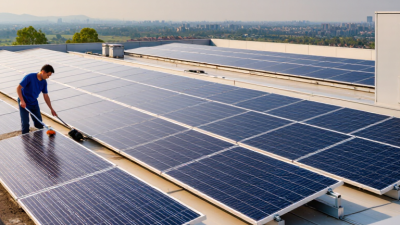
Maintenance should be practical and specific. Request a schedule for monitoring, visual inspections, and any recommended cleaning. Dust, pollen, and fallen leaves can collect along panel edges, but climbing onto a roof without proper training is not worth the risk. Confirm whether inspections are included or billed separately, and what maintenance records are required to preserve coverage. Save commissioning reports, service notes, and dated photos. I would not assume an online monitoring alert identifies the cause; it signals a change, and a qualified technician may still need to inspect the system.
| # | Buying tip | What to review | Questions and useful checks |
|---|---|---|---|
| 1 | Confirm the project’s energy goals | Compare the proposed system’s estimated annual energy production with your historical electricity use and the portion of consumption you intend to offset. | Is the estimate based on your site, shading, orientation, weather data, and planned equipment? Does it distinguish annual energy in kWh from system capacity in kW? |
| 2 | Review the site assessment | Check that the assessment addresses roof or land condition, shading, access, drainage, structural requirements, and any nearby obstructions that could affect installation or output. | Were measurements and site constraints documented? If roof repairs may be needed, are their scope and timing clearly stated before installation? |
| 3 | Check the installation drawings | Review the equipment layout, mounting method, wiring routes, electrical connection, access paths, and locations of disconnects and other required components. | Are drawings specific to your property? Do they show how the installation will avoid blocked access, drainage issues, and conflicts with existing electrical equipment? |
| 4 | Understand the equipment configuration | Ask for a complete equipment schedule and confirm that the proposed panels, inverters, mounting system, monitoring equipment, and any storage components are compatible with the design. | Are model details, ratings, quantities, and substitutions documented in the contract? What approval is required if specified equipment becomes unavailable? |
| 5 | Verify permits and utility steps | Identify the required building and electrical approvals, inspections, utility application, and permission to operate. Requirements and timelines vary by location and utility. | Who prepares and submits each application? Is the project schedule clear about approvals, inspections, meter work, and utility authorization? |
| 6 | Compare warranties separately | Read the equipment warranties and the installer’s workmanship warranty as separate documents. Check covered parts, labor, exclusions, claim procedures, and transfer terms. | Who handles diagnosis, removal, shipping, and reinstallation if a covered component fails? What conditions could limit coverage? |
| 7 | Read performance estimates carefully | Review the assumptions behind the production forecast, including shading, system losses, weather variation, equipment efficiency, and any expected change in output over time. | Is the estimate a forecast or a guaranteed amount? If there is a production guarantee, how are measurement, remedies, and exclusions defined? |
| 8 | Plan monitoring and maintenance | Confirm how system performance and fault alerts will be monitored, who reviews alerts, and what inspection or service tasks are included after commissioning. | Will you have access to monitoring data? Are service response times, maintenance fees, and responsibilities stated in writing? |
| 9 | Compare the full project cost | Request an itemized price covering equipment, design, installation, electrical work, permits, inspections, utility-related work, monitoring, and optional services. | Are exclusions, payment milestones, change-order rules, taxes, and potential additional charges clearly described? |
| 10 | Require clear handover documents | Before final acceptance, collect as-built drawings, inspection records, equipment and warranty documents, monitoring instructions, and operating and emergency guidance. | Is the system’s final configuration documented? Do you know whom to contact for service, warranty claims, and utility questions? |

If you’re replacing your roof and already have solar panels installed, you’ll likely need solar panel removal and reinstall during the process. When planned correctly,
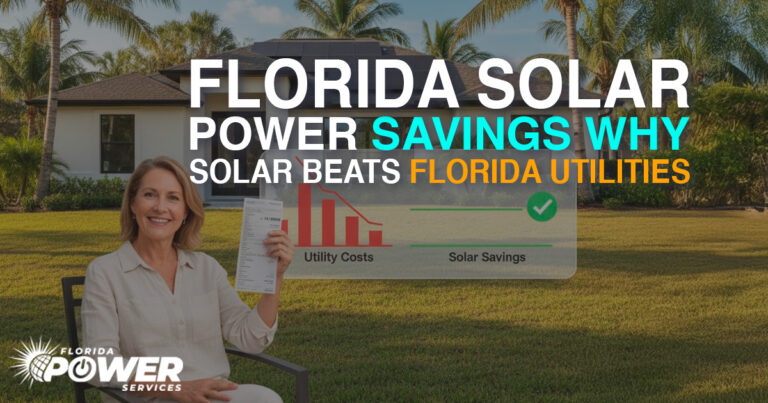
Florida homeowners are seeing their power bills rise faster than ever. Between AI data centers, fuel costs, and storm-related grid upgrades, utilities are increasing rates

⏳Go Solar Before the Deadline Permitting in Pinellas County solar jurisdictions is already experiencing serious delays. Plan reviews are running 4+ weeks behind. That means

NABCEP Certified
PV Installer

Licensed &
Insured

Systems Engineered
For A 25 Year Life Cycle

Over 4 Megawatts
Of Solar Installed

Expert Service In The
Unlikely Event Of
An Issue
Florida Power Services
"The Solar Power Company"
Florida Power Services
"The Solar Power Company"
based on 62 reviews
Florida Power Services
"The Solar Power Company"
based on 33 reviews


Utility rates rise 4–6% every year. Solar converts that rising expense into an asset that can pay for itself, and once it’s paid off, your power is essentially free. Many property owners qualify with no money out of pocket.