What Are the Top Solar Energy Systems in China?

China has become a major testing ground for modern Solar Energy Systems. Its varied climate, dense cities, and vast western deserts demand different technical solutions. Rooftop photovoltaic arrays suit factories and homes, while large solar farms serve regional power networks. Hybrid systems combine solar panels with battery storage, improving energy access after sunset. Some projects also integrate solar heating, agriculture, and electric vehicle charging.

This article examines the top Solar Energy Systems used across China. It considers performance, installation conditions, storage capacity, maintenance, and grid compatibility. A system working well in sunny Qinghai may perform differently on a cloudy Shanghai roof. Panel efficiency matters, but so do shading, dust, cable quality, and inverter reliability. Small details can decide real-world output.

No single system wins everywhere. That is important. Reliable comparisons should use verified specifications, independent testing, and transparent project data. China’s national standards and grid requirements also influence equipment selection, safety checks, and connection procedures. Professional installers usually assess roof strength, local weather, annual sunlight, and expected electricity demand before recommending a design.

The picture is not perfect. Performance estimates can be optimistic, especially when maintenance losses receive little attention. Battery replacement costs may also change a project’s long-term value. A careful buyer should question impressive numbers and examine warranties, supplier experience, recycling plans, and after-sales support. The strongest option is not always the most powerful one. It is the system that remains safe, practical, and financially sensible over many years.

What Are the Top Solar Energy Systems in China?

Solar Energy Systems: Definition, Components, and Operating Principles

What Are the Top Solar Energy Systems in China?

A solar energy system converts sunlight into usable electricity. In China, common designs include rooftop systems, ground-mounted plants, and hybrid systems with batteries. The National Energy Administration reported 887.9 gigawatts of cumulative solar capacity by the end of 2024. This scale reflects rapid deployment, but system quality still depends on design and maintenance.

The main components are photovoltaic modules, mounting structures, direct-current cables, an inverter, protection devices, and a monitoring meter. Batteries may store surplus electricity for evening use.

The photovoltaic cells create direct current when sunlight moves electrons inside semiconductor layers. The inverter then changes direct current into alternating current for homes or the grid.

That conversion matters.

A maximum power point tracker adjusts electrical output as sunlight, temperature, and shading change. In practical installations, dust on a panel can reduce production, while poor cable connections may create heat.

The International Energy Agency’s Renewables 2024 report expects China to provide almost 60% of global renewable capacity additions through 2030.

However, capacity figures do not guarantee equal performance everywhere. Roof orientation, local grid limits, battery losses, and seasonal weather can alter actual returns. Designers should measure site conditions before selecting system size, rather than trusting a simple capacity estimate.

Main Types of Solar Energy Systems Used in China

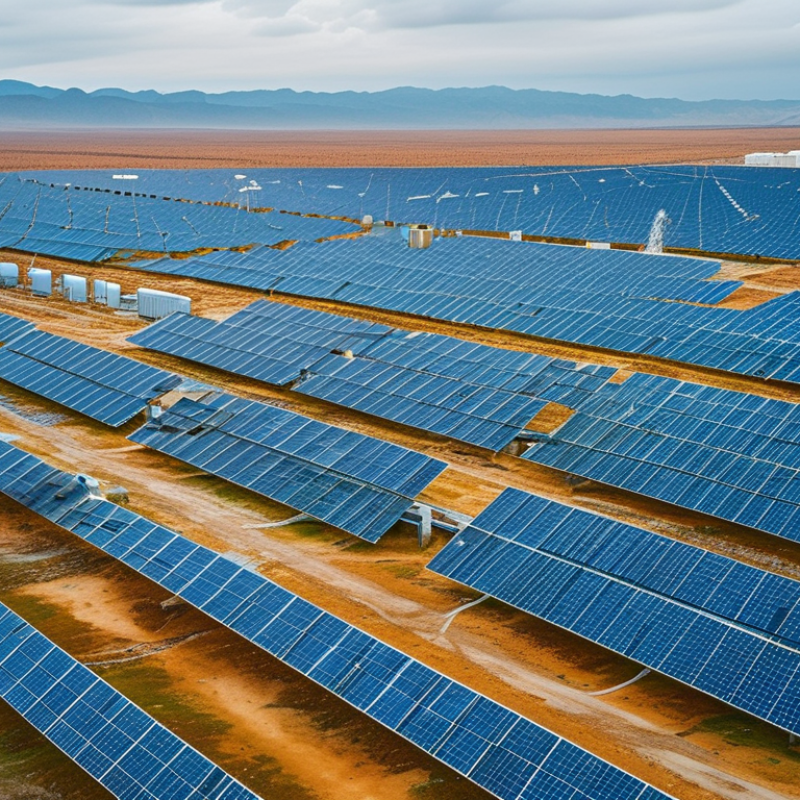
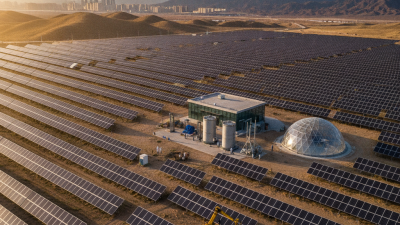
China uses several solar energy systems, shaped by geography, building density, and electricity demand. Utility-scale photovoltaic systems occupy large sites in dry northwestern regions. Rows of tilted panels convert strong sunlight into grid electricity. These projects often connect to high-voltage transmission networks. Their main challenge is distance from major coastal consumers.

Distributed rooftop photovoltaic systems serve factories, shops, public buildings, and rural homes. Panels may cover a warehouse roof or a village courtyard. Electricity can support daytime machinery, refrigeration, or household appliances. Excess power may flow into the local grid, depending on connection rules. Roof strength, shading, fire access, and maintenance routes need careful inspection. A roof can look suitable but still fail a structural review.

Agrivoltaic and floating photovoltaic systems use land or water more efficiently. Agrivoltaic panels stand above crops, allowing farming below selected structures. Floating arrays rest on reservoirs and can reduce some water evaporation. Solar thermal systems also remain important for hot water in homes, hotels, and public facilities. Off-grid systems combine panels with batteries for remote stations, farms, or emergency equipment. Hybrid systems may add wind generation or storage when sunlight changes quickly. No single design wins everywhere. A battery can improve reliability, yet its cost and replacement needs are easy to underestimate. System performance also depends on dust, humidity, winter temperatures, and local maintenance skills. Good planning compares yearly output with actual demand, not just the panel capacity.

What Are the Top Solar Energy Systems in China?

China’s photovoltaic market is mainly divided into centralized utility-scale systems and distributed systems installed on rooftops or other local sites. The chart shows newly added photovoltaic capacity in 2024, measured in gigawatts (GW).

Centralized systems are generally used for large ground-mounted solar projects, while distributed systems are commonly installed on residential, commercial, industrial, and public-building rooftops. Data source: China National Energy Administration, 2024 photovoltaic capacity statistics.

Leading Chinese Solar System Manufacturers and Technologies

China’s solar system manufacturers cover residential, commercial, and utility-scale projects. Many operate large production lines for modules, inverters, batteries, and mounting structures. Their strength often comes from integrated supply chains, which can reduce delivery delays and simplify technical coordination.

Current technologies include TOPCon, heterojunction, and back-contact solar cells. TOPCon offers strong efficiency with familiar manufacturing equipment. Heterojunction performs well in high-temperature conditions, while back-contact designs create cleaner module surfaces. Bifacial panels can generate extra electricity from reflected light, especially above pale roofs or prepared ground. However, site conditions matter more than impressive laboratory figures.

Experienced buyers should examine degradation rates, temperature coefficients, warranty terms, and independent test reports. A reliable manufacturer should provide traceable serial numbers and clear after-sales procedures. Smart inverters can monitor each system through a mobile platform, while hybrid storage systems shift daytime energy into evening use. I have seen project estimates change after shading, dust, and cable distance were measured properly. The cheaper quote was not always cheaper. That lesson matters. Some specifications also look excellent on paper but require better installation skills, ventilation, and maintenance than smaller contractors expect. Technician training, spare-part access, and local grid rules deserve equal attention.

What Are the Top Solar Energy Systems in China? - Leading Chinese Solar System Manufacturers and Technologies

The figures below are representative technology and system ranges used in the Chinese solar market. Actual performance depends on site conditions, equipment selection, design, and operating practices.
Solar System Type Typical Project Size Common PV Technology Typical Module Efficiency Key Technologies Typical Applications Main Advantages
Utility-Scale Ground-Mounted PV 100 MW to several GW Large-format monocrystalline silicon Approximately 22%–24% Single-axis trackers, centralized or string inverters, SCADA monitoring, high-voltage collection systems Desert, plateau, and other large areas with strong solar resources Low operating cost per unit of energy and efficient use of available land
Commercial and Industrial Rooftop PV 100 kW to 10 MW Monocrystalline TOPCon, PERC, or HJT modules Approximately 21%–24% Rooftop mounting, string inverters, rapid shutdown where required, energy management systems Factories, warehouses, logistics centers, shopping facilities, and office buildings High on-site electricity consumption and reduced transmission losses
Residential Rooftop PV 3 kW to 30 kW Monocrystalline PERC or TOPCon modules Approximately 20%–23% String or microinverters, module-level monitoring, optional battery storage, smart meters Rural homes, villas, and residential buildings with suitable roof areas Modular installation, simple expansion, and direct daytime self-consumption
PV and Battery Energy Storage System 10 kW to hundreds of MW Monocrystalline silicon PV combined with lithium iron phosphate batteries Approximately 21%–24% for PV modules Battery management systems, bidirectional power conversion, thermal management, and energy management software Peak shaving, backup power, renewable-energy shifting, and grid support Improves solar self-consumption and supports electricity supply after sunset
Agrivoltaic Solar System 1 MW to several hundred MW Monocrystalline modules installed on elevated structures Approximately 21%–24% Elevated racking, wider module spacing, crop-compatible shading design, irrigation integration Farmland, orchards, greenhouses, grazing areas, and fisheries Combines electricity generation with agricultural or aquaculture activities
Floating Solar PV 1 MW to several hundred MW Monocrystalline modules on high-density polyethylene floats Approximately 21%–24% Floating pontoons, mooring systems, waterproof cable management, and corrosion-resistant components Reservoirs, water-storage facilities, and suitable industrial ponds Uses water surfaces, reduces land competition, and may lower module operating temperature
Building-Integrated Photovoltaics 10 kW to several MW Glass-glass crystalline silicon or thin-film building elements Approximately 12%–23%, depending on the building element Solar façades, photovoltaic skylights, solar curtain walls, and waterproof electrical integration Commercial buildings, transport facilities, public buildings, and architectural façades Combines the building envelope with electricity generation
Off-Grid and Remote Solar System 1 kW to 1 MW Monocrystalline modules with battery storage Approximately 20%–23% Solar charge controllers, lithium or lead-acid batteries, hybrid inverters, and backup generators where necessary Remote villages, telecommunications sites, islands, agricultural facilities, and emergency power applications Provides electricity where grid connection is unavailable or unreliable
Technology note: TOPCon, HJT, and back-contact technologies generally provide higher conversion efficiency than conventional PERC designs, while system-level performance also depends on solar irradiation, temperature, shading, orientation, inverter efficiency, degradation, and maintenance.

How to Select a Solar Energy System for Different Applications

What Are the Top Solar Energy Systems in China?

Selecting a solar energy system starts with the application, not the panel. According to IEA PVPS Trends 2024, China held more than half of global cumulative photovoltaic capacity by the end of 2023. This scale creates many choices, but it also makes comparison harder. Start with the load. Not the panel.

For homes, rooftop systems should match daytime demand, roof direction, shading, and local grid rules. A small battery can support evening lighting and refrigeration, but it may not justify its cost in areas with reliable grid power.

Commercial buildings often need larger systems with monitoring and demand management. Their best design usually follows the building’s hourly electricity curve. Oversizing remains a common mistake.

Remote farms, communication sites, and island facilities require a different approach. Hybrid systems need batteries, backup generation, and careful protection against humidity, dust, and low temperatures. For factories, engineers should examine transformer capacity, peak demand charges, roof loading, and fire-access space. The China National Energy Administration reported 216.9 gigawatts of new solar capacity in 2023, showing rapid deployment but not guaranteed project quality. Technical due diligence still matters.

Compare annual yield, battery degradation, replacement costs, and maintenance access. Check independent test results and applicable electrical certifications. A perfect forecast is impossible. Seasonal weather and changing loads will challenge even careful designs. Use measured consumption data whenever possible, then review the system after its first operating year.
Installation, Maintenance, Costs, and Policy Considerations in China

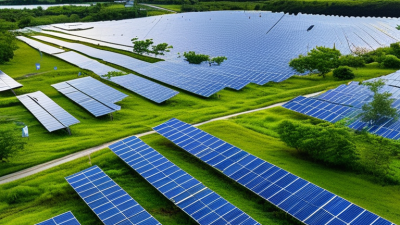
China’s strongest solar choices are not identical. Rooftop distributed PV suits factories, warehouses, and rural homes with daytime demand. Large ground-mounted systems fit desert or low-productivity land, while PV-plus-storage supports weak grids.

The National Energy Administration reported 277.17 GW of new PV capacity in 2024. China’s cumulative capacity reached about 887.66 GW. That scale rewards standardized installation, but local conditions still decide performance.

A practical installation begins with a roof survey, structural checks, shading measurements, and a clear grid-connection plan. Installers should document cable routes, drainage, fire access, and inverter ventilation. Neglected details become expensive later.

Maintenance needs monthly visual checks, seasonal thermal scans, and prompt cleaning after dust storms. Vegetation control matters for ground arrays. IRENA’s Renewable Power Generation Costs in 2023 reported a 12 percent fall in global utility-scale solar costs. It placed average LCOE near USD 0.044 per kWh.

China’s actual quote depends heavily on land, labor, storage, and interconnection. Indicative EPC budgets can mislead.

CPIA’s 2024 annual report documented module prices below RMB 0.70 per watt during parts of the year. Yet cheap modules do not guarantee cheap ownership. Replacement reserves, insurance, and battery degradation deserve separate budget lines.

The NDRC and NEA whole-county rooftop program encouraged distributed deployment, but provincial approval and grid capacity remain decisive. Power-market reforms may change surplus-electricity revenue.

The weakest assumption is often perfect sunshine. Use conservative yields and stress-test tariffs.

Stop Paying More for Power

Utility rates rise 4–6% every year. Solar converts that rising expense into an asset that can pay for itself, and once it’s paid off, your power is essentially free. Many property owners qualify with no money out of pocket.