What is a Hybrid Solar System and How Does It Work?
Hybrid Solar Systems present a unique approach to harnessing solar energy. These systems combine solar panels and battery storage with traditional grid electricity. Dr. Laura Harrison, a renowned expert in renewable energy, emphasizes, “Hybrid systems are the future of energy independence.” This statement reflects the growing need for sustainable energy solutions.
The essence of Hybrid Solar Systems lies in their versatility. They can operate independently or in conjunction with the grid. This flexibility is crucial for households seeking reliability and efficiency. However, integrating these systems can be complex. Understanding the technology behind them is essential for optimal performance.
The benefits are tangible. Users can save on electricity bills while reducing their carbon footprint. Yet, challenges remain. The initial investment can be daunting for many. It is vital for potential users to weigh both the advantages and obstacles. Ultimately, embracing Hybrid Solar Systems could pave the way for a greener future.
What is a Hybrid Solar System? A Comprehensive Overview
A hybrid solar system combines traditional energy sources with solar power. This integration allows for a more reliable and efficient energy solution. With a hybrid setup, users can harness solar energy during the day and rely on grid power or other energy sources when sunlight is insufficient. This flexibility addresses common concerns about solar reliability.
In a typical hybrid system, solar panels capture sunlight and convert it to electricity. Excess energy is stored in batteries for later use. This storage is crucial during cloudy days or nighttime. It reduces dependency on the grid. However, battery capacity can be a limitation. Users must balance their energy needs with storage capabilities. Choosing the right system is not always straightforward. It requires careful assessment of energy consumption patterns.
Moreover, the installation and maintenance of hybrid systems can be complex. Homeowners need to consider various factors, such as location and budget. Expertise in energy management is vital for maximizing benefits. Consulting with professionals can help navigate these challenges. Despite the hurdles, a hybrid solar system presents an opportunity for energy independence and sustainability.
What is a Hybrid Solar System and How Does It Work?
| Dimension |
Description |
Benefits |
| Energy Generation |
Combines solar panels and battery storage with grid connectivity. |
Increased energy independence and usage of renewable sources. |
| Components |
Solar panels, inverters, battery storage, and integration with the grid. |
Versatility in energy management and backup power solutions. |
| System Efficiency |
Optimizes energy use by storing excess energy for later use. |
Reduces reliance on grid power during peak hours. |
| Cost |
Higher initial investment compared to conventional systems. |
Long-term savings on electricity bills and potential incentives. |
| Environmental Impact |
Reduces carbon footprint by utilizing clean energy. |
Supports sustainability and climate change mitigation efforts. |
Components of a Hybrid Solar System: Key Elements Explained
A hybrid solar system is a versatile energy solution. It combines solar panels, batteries, and grid connectivity. This setup allows users to harness solar energy while still having backup power from the grid.
Key components play crucial roles in a hybrid system. Solar panels convert sunlight into electricity. The battery stores excess energy for later use. Research shows that solar energy storage can reduce electricity bills by up to 70%. In regions with frequent power outages, batteries ensure a reliable supply. The grid connection allows for seamless energy flow when solar production is low.
In recent reports, the global solar battery storage market is expected to reach $20 billion by 2026. Despite its benefits, there are challenges. Installation costs can be high. Additionally, battery lifespan varies, affecting overall efficiency. Proper maintenance is essential to maximize energy savings. Investing in a hybrid solar system requires careful consideration and planning.
How Hybrid Solar Systems Function: The Technology Behind the System
Hybrid solar systems combine solar energy generation with other power sources, typically batteries and grid connections. This way, they maximize energy efficiency and reliability. The technology harnesses solar panels to capture sunlight, converting it into electricity. Any surplus energy generated is stored in batteries for later use.
When sunlight is limited, like on cloudy days, the system draws on battery power. This balancing act ensures a consistent energy supply. A hybrid system's controller plays a critical role. It manages energy flow, deciding when to use solar, battery, or grid power. Users can monitor their energy usage through a smart interface.
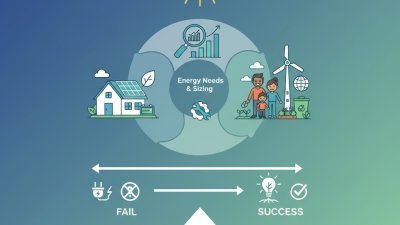
Designing a hybrid system requires careful consideration. Factors such as energy needs, location, and available sunlight come into play. Many users find themselves surprised by their initial energy consumption. They often need to adjust their habits to optimize solar use. Experimentation leads to a better understanding of energy patterns. Striking the right balance can take time and effort.
Benefits of Hybrid Solar Systems: Efficiency and Sustainability Statistics
Hybrid solar systems combine traditional energy sources with solar technology. They utilize solar panels alongside batteries, ensuring a constant power supply. These systems store excess energy during sunny days, making it available for later use. This is particularly useful during cloudy periods or at night when solar generation is low.
The efficiency of hybrid solar systems is notable. Studies show that solar energy can reduce electricity bills significantly. One report indicated savings of up to 50% on monthly energy costs. Additionally, hybrid systems contribute to sustainability. They reduce reliance on fossil fuels. This transition helps lower greenhouse gas emissions. As communities adopt these technologies, the collective impact can be significant.
While hybrid systems offer many advantages, challenges remain. The initial installation cost can be high, and not all homes are suited for solar panels. Local regulations and weather patterns also play a role in efficiency. Continued research is vital to improve technology and accessibility. As solutions evolve, the potential for even greater efficiency and sustainability grows.
Comparative Analysis: Hybrid vs. Traditional Solar Systems Performance
Hybrid solar systems combine solar panels with energy storage solutions. They perform differently compared to traditional solar setups. A report from the National Renewable Energy Laboratory shows that hybrid systems can increase self-consumption by up to 70%. This high efficiency is largely due to battery integration, allowing users to store excess energy for nighttime use.
Traditional systems rely solely on grid power. They can produce energy but lack the capability to store it. As a result, users may experience disruptions or rely on the grid during high consumption hours. In contrast, hybrids often provide a buffer against fluctuating energy prices. According to a recent survey, 40% of homeowners with hybrid systems report reduced electricity bills.
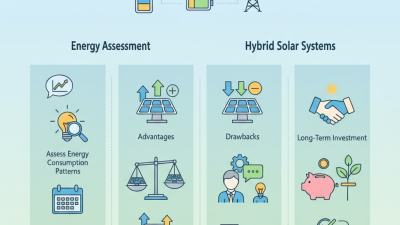
When considering a hybrid system, think about battery capacity and your energy needs. A well-planned setup can minimize reliance on external sources. Maintenance is crucial; batteries need regular checks. Hybrid systems are effective but can require more initial investment. Weigh the long-term benefits against the upfront costs.
Performance Comparison: Hybrid vs. Traditional Solar Systems