Solar Panel Removal and Reinstall for Roof Replacement in Florida
If you’re replacing your roof and already have solar panels installed, you’ll likely need solar panel removal and reinstall during the process. When planned correctly,

Solar Electric Systems are moving from niche installations to core infrastructure for homes, factories, farms, and public facilities. Global buyers now face a crowded supplier market, uneven product quality, and complex service promises. The right choice involves more than comparing panel prices.
IRENA’s Renewable Capacity Statistics 2024 reported 473 GW of new renewable capacity worldwide in 2023. Solar power represented about 346 GW, or nearly 73% of total additions. The International Energy Agency also identifies solar photovoltaic technology as a major driver of global electricity expansion. Fatih Birol, Executive Director of the IEA, called solar power “the new king of electricity markets” in the agency’s Renewables 2020 analysis.
That momentum creates opportunity. It also creates risk. A low-cost inverter may fail early in a humid coastal climate. A battery warranty may sound generous, yet exclude high-temperature operation. These details matter.
This guide introduces leading Solar Electric Systems suppliers for global buyers. It considers manufacturing scale, certifications, bankability, efficiency, warranty terms, monitoring tools, and after-sales support. Evidence from IRENA, the IEA, and recognized testing organizations supports the evaluation.
No supplier is perfect. Even respected manufacturers can face shipment delays, component shortages, or inconsistent regional service. That is the uncomfortable part.
Buyers should verify current data, not rely on reputation alone. Factory audits, independent test results, documented project experience, and local technician networks provide stronger evidence. A dependable supplier should explain both strengths and limitations clearly. That standard helps buyers build systems that perform beyond the showroom and across changing market conditions.

Solar electric systems convert sunlight into usable electricity through photovoltaic modules and supporting equipment.
They power homes, factories, farms, clinics, and remote facilities.
A grid-connected system sends excess electricity to the utility network.
An off-grid system uses batteries or backup generation.
Hybrid designs combine both approaches.
That distinction matters.
The scope includes site assessment, system design, equipment procurement, installation, monitoring, maintenance, and eventual replacement.
Core components usually include photovoltaic modules, mounting structures, inverters, cables, isolators, surge protection, and meters.
Batteries are optional, but they improve energy availability after sunset.
A typical rooftop array may use aluminum rails, weatherproof connectors, and an inverter mounted near the main distribution board.
Small details matter.
Poor cable routing can create heat, water, or maintenance problems.
Global buyers should request complete datasheets, test reports, warranty terms, and installation records from suppliers.
Independent certification can support safety and performance claims, but paperwork alone cannot prove field reliability.
Check temperature ratings, wind loads, corrosion resistance, and compatibility with local electrical codes.
Experienced suppliers should explain expected output using local sunlight data, not optimistic estimates.
Site visits and commissioning records provide stronger evidence than sales language.
Even careful designs have weaknesses.
Dust, shading, battery aging, and unclear maintenance responsibilities can reduce actual performance.
Buyers should question these risks before signing procurement contracts.
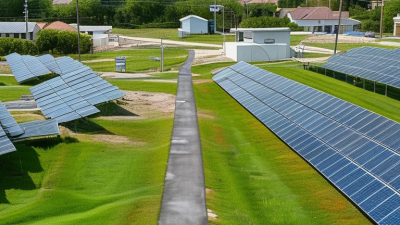
Top Solar Electric Systems Suppliers for Global Buyers
Key Criteria for Evaluating Global Solar System Suppliers
Choosing a solar system supplier requires more than comparing equipment prices. Buyers should examine verified project experience, engineering capability, and after-sales support in similar climates. A supplier serving humid coastlines may not understand high-altitude or desert conditions. Ask for operating data from comparable installations. Real numbers matter.
Quality assurance should cover module testing, inverter compatibility, battery safety, and production traceability. Request current certifications and independent inspection records. A reliable supplier explains test limits clearly. Vague promises deserve caution. Warranty terms also need careful review. Check coverage periods, response times, replacement procedures, and transport responsibilities. A long warranty is weak if service centers are unavailable.
Financial stability affects long-term project security. Review manufacturing capacity, delivery history, spare-parts planning, and contract transparency. Local technicians can reduce downtime when faults occur. Training documents should be practical, not decorative. Suppliers should also explain grid requirements, monitoring methods, recycling options, and expected energy output under seasonal conditions. Forecasts are estimates, not guarantees.
No supplier is flawless. Buyers may overvalue a low quotation and overlook installation quality. I would compare at least three technical proposals using the same specifications. Site visits can reveal details that brochures hide, such as cable routing, storage conditions, and maintenance access. Independent engineering review adds confidence, although it increases early costs. That expense may prevent expensive corrections later.
This buyer scorecard uses a 100-point framework. Technical compliance, lifecycle cost, reliability, warranty coverage, and delivery capability receive the highest weighting because they directly affect system safety, long-term energy yield, project economics, and execution risk. Buyers should verify certifications, warranty terms, financial stability, production capacity, logistics performance, and local service capability before selecting a supplier.
Global solar buyers usually work with three supplier categories: equipment manufacturers, wholesale distributors, and engineering, procurement, and construction firms. Manufacturers provide photovoltaic modules, hybrid inverters, battery storage, and mounting hardware. Distributors combine these products into practical packages for residential, commercial, and utility projects.
Wholesalers are useful when buyers need mixed shipments, replacement parts, or faster regional delivery. Their catalogs may include cables, combiner boxes, monitoring devices, surge protection, and spare fuses. EPC suppliers offer site surveys, system design, installation, commissioning, and maintenance. Field experience shows that this support can prevent mismatched voltage ratings and undersized cable runs.
Specialist suppliers serve off-grid, agricultural, and mobile applications. Their products may include charge controllers, lithium battery banks, water-pumping systems, and weather-resistant enclosures. Buyers should check efficiency curves, operating temperature, ingress protection, battery cycle life, warranty conditions, and local electrical compliance. Small details matter. A five-meter cable may become ten meters on site. That affects voltage loss and installation cost. Delivery records and technical response times also deserve attention. Some suppliers answer quickly before payment, then slowly afterward. This is an uncomfortable risk, but it happens. Requesting drawings, test reports, serial tracking, and documented service procedures creates a more reliable purchasing record.
Global solar buyers should evaluate suppliers through compliance evidence, not brochures. IRENA reported 345 gigawatts of new solar capacity in 2023, raising global capacity above 1.4 terawatts. This scale increases pressure on suppliers to prove consistent quality. Ask for current test reports, certificate scopes, factory addresses, and serial-number traceability. A certificate without matching product details is weak evidence.
For modules, IEC 61215 addresses design qualification, while IEC 61730 focuses on safety. Inverters and system equipment may require IEC 62109 or IEC 62477-1 testing. Market access also differs. European projects commonly require CE conformity, while other jurisdictions may demand national safety marks, grid codes, or electromagnetic compatibility testing. Requirements can change by product category and installation site. Reality is messier.
IEA PVPS reported that global photovoltaic deployment reached roughly 1.6 terawatts by the end of 2023, depending on reporting boundaries. Buyers should therefore check more than laboratory certificates. Review production audits, incoming-material controls, warranty procedures, and independent inspection records. ISO 9001 can support quality management, but it does not certify product performance. That assumption is risky. Environmental and labor documentation also deserves attention, including ISO 14001, ISO 45001, and verified supply-chain records. Some suppliers provide excellent paperwork but inconsistent field support. Pilot orders, third-party inspections, and documented acceptance tests can expose that gap before a large international shipment.
Solar procurement now requires more than comparing panel prices. IRENA’s Renewable Capacity Statistics 2024 reports 473 GW of solar capacity added globally in 2023. That scale increases pressure on suppliers to provide traceable components, realistic delivery schedules, and clear warranty terms.
Buyers should verify factory quality records, product certifications, and local import requirements before signing contracts. A low bid can look efficient, yet weak documentation may create expensive delays.
Installation quality often decides long-term performance. Suppliers should provide site surveys, structural calculations, cable plans, and commissioning reports.
The International Energy Agency’s Renewables 2024 analysis identifies solar as the main driver of new renewable capacity growth. Therefore, installers need trained technicians, safe work procedures, and grid-compliance testing.
Small details matter.
Incorrect cable routing can cause heat damage, while poor drainage may shorten equipment life.
After-sales support should include remote monitoring, fault-response targets, spare-parts planning, and scheduled inspections. The National Renewable Energy Laboratory has reported typical photovoltaic degradation near 0.5% annually in field studies, although actual results vary by climate and maintenance.
Buyers should request performance data from comparable projects, not only laboratory claims.
No procurement plan is perfect. Dust, shipping disruptions, and changing regulations can expose weak assumptions. A dependable supplier documents these risks and revises the service plan when field evidence disagrees.

If you’re replacing your roof and already have solar panels installed, you’ll likely need solar panel removal and reinstall during the process. When planned correctly,
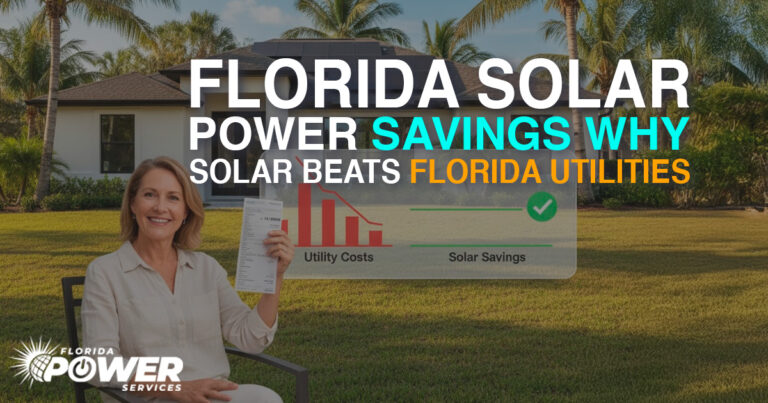
Florida homeowners are seeing their power bills rise faster than ever. Between AI data centers, fuel costs, and storm-related grid upgrades, utilities are increasing rates

⏳Go Solar Before the Deadline Permitting in Pinellas County solar jurisdictions is already experiencing serious delays. Plan reviews are running 4+ weeks behind. That means

NABCEP Certified
PV Installer

Licensed &
Insured

Systems Engineered
For A 25 Year Life Cycle

Over 4 Megawatts
Of Solar Installed

Expert Service In The
Unlikely Event Of
An Issue
Florida Power Services
"The Solar Power Company"
Florida Power Services
"The Solar Power Company"
based on 62 reviews
Florida Power Services
"The Solar Power Company"
based on 33 reviews


Utility rates rise 4–6% every year. Solar converts that rising expense into an asset that can pay for itself, and once it’s paid off, your power is essentially free. Many property owners qualify with no money out of pocket.