China Top 10 Solar Electric System Manufacturers

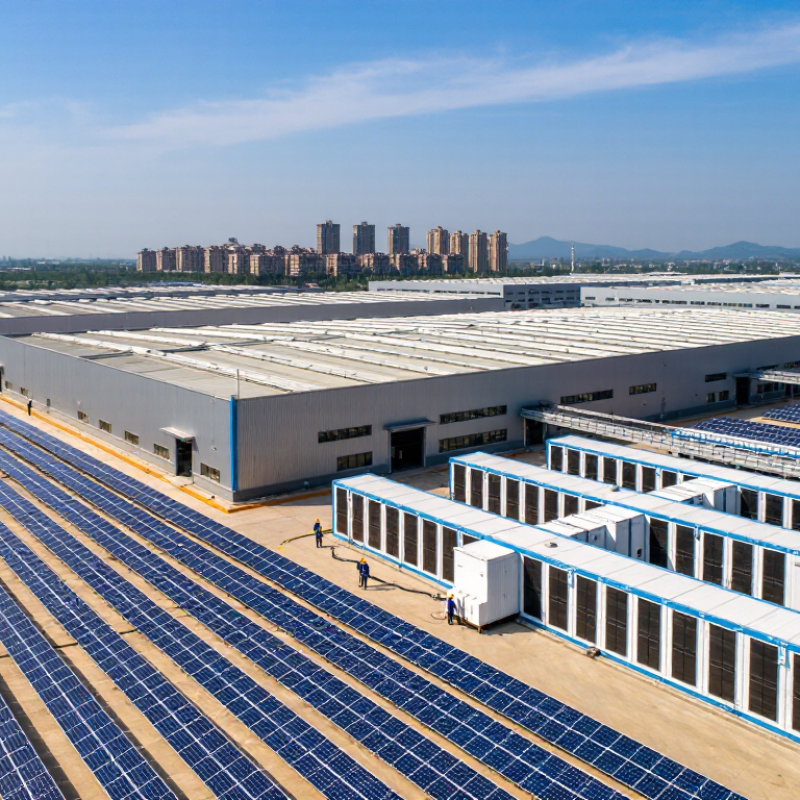
China’s solar industry has grown into a major force in global clean-energy supply. Its manufacturers produce panels, inverters, batteries, and complete Solar Electric Systems for homes, businesses, and utility-scale projects. But a familiar brand name is only a starting point.

As International Energy Agency Executive Director Fatih Birol put it, “Solar is the new king of electricity markets.” That shift makes manufacturer selection more important—and more complicated. Buyers may compare conversion efficiency, product warranties, manufacturing scale, service access, and system compatibility. A high-output panel on a sunlit roof looks impressive, yet installation quality and local support can matter just as much.

This guide introduces ten leading Chinese manufacturers and the strengths that distinguish them. Some focus on high-efficiency modules. Others offer inverters, storage, or integrated solutions. The comparison should be read with care. Company rankings change as markets, product lines, and public disclosures evolve. A ranking cannot capture every detail.

That is worth remembering.

The most suitable supplier depends on the project, climate, budget, and maintenance plan. Check current product specifications and warranty terms before making a decision. Industry experience also suggests that performance on paper does not always match results on a real roof. This guide offers a practical starting point, not a final verdict.
China Top 10 Solar Electric System Manufacturers

Understanding China's Solar Electric System Manufacturing Industry

China’s solar electric system industry includes more than panel production. Manufacturers may combine modules, inverters, batteries, mounting hardware, and monitoring controls into complete systems. Some specialize in a single component, while others handle design, assembly, and testing. This distinction matters: a polished product sheet does not reveal how well every part works together.

Production scale can support steady output and a broad supplier network. Yet system quality still depends on engineering choices and factory controls. Inspectors may check electrical connections, enclosure seals, and inverter performance under changing loads. A battery cabinet can look sturdy on the line, but heat management and clear fault alerts matter during years of daily use. Small details count.

Buyers can compare technical datasheets, test records, warranty conditions, and spare-parts plans. Ask how the manufacturer tracks component batches and handles failures after installation. A factory tour may show orderly assembly, but it cannot prove long-term reliability by itself. I would be cautious about judging capability from capacity figures alone. The picture is not always tidy: suppliers change, specifications vary, and communication can miss a detail. Careful review takes time.
Criteria for Identifying Leading Chinese Manufacturers

Choosing a leading solar electric system manufacturer takes more than comparing prices or advertised capacity. Review the company’s engineering experience, production controls, and record of completing projects similar to yours. Ask how it tests inverters, mounting hardware, and system performance under heat, dust, or heavy rain. Details matter.

Request current, independently verifiable certifications and clear warranty terms. Check whether the warranty covers parts, labor, and technical support, and note any exclusions. Production figures are useful, but they do not prove consistent quality. A factory visit can reveal equipment and inspection steps, though one visit cannot represent every production batch. Look closer. Speak with project operators about delivery accuracy, fault response, and the availability of replacement components. Evidence from operating sites is often more useful than polished brochures.

Assess communication as carefully as manufacturing. Can engineers explain system sizing, grid compatibility, and maintenance needs in plain language? Ask for sample test reports and a documented process for handling defects. Compare lead times with realistic shipping and commissioning schedules. Some suppliers may provide excellent hardware yet offer limited local support; that gap deserves attention. No checklist removes all uncertainty, and published figures can be difficult to compare. Weigh verified records, technical transparency, and after-sales capability together.

Profiles of China's Top 10 Solar Electric System Manufacturers

Profiles of China’s top ten solar electric system manufacturers should look beyond headline output. Buyers need to compare module technology, inverter compatibility, production scale, and after-sales support.

The IEA’s Special Report on Solar PV Global Supply Chains (2022) found China held over 80% of global manufacturing capacity across major PV supply-chain stages. Wafer capacity exceeded 95%. Scale matters, but it does not guarantee consistent quality.

A useful profile checks published module power, temperature coefficients, degradation rates, and warranty terms. It also asks whether independent testing and factory audits support the claims. Look closely at the details: a roof project in a hot, dusty region faces different demands from a utility-scale site with easy maintenance access. Service response times and replacement-part availability deserve equal attention. Not glamorous, but practical.

The ten profiles can distinguish manufacturers by strengths such as high-efficiency cells, integrated production, project delivery, or export support, without treating any single metric as a verdict. Rankings remain imperfect; product lines and delivery performance can change quickly. IEA figures describe industry concentration, not the reliability of an individual supplier. Verify current technical documents and project references before comparing offers.

Comparing Product Portfolios and Key Technologies

China’s solar manufacturers vary less by headline capacity than by how modules, inverters, batteries, and mounting hardware work together. Some firms concentrate on high-efficiency modules, while others offer complete systems with monitoring software and storage controls. That difference matters on a roof where shade shifts across panels, or in a workshop that needs evening power. A broad catalog can simplify procurement, but it does not guarantee consistent quality across every product line. Bigger portfolio, bigger questions.

Compare module cell formats and temperature coefficients, then check inverter efficiency across realistic loads, not only peak ratings. Battery specifications should state usable capacity, cycle conditions, and whether the system can operate during an outage. Look for independent test reports, warranty exclusions, and clear service arrangements; these details are more useful than polished charts. On paper, two systems may seem equal. Yet cable layout, connector compatibility, and software updates can change installation time and long-term maintenance. Published data may not reflect performance in every climate, and comparisons are rarely perfectly like-for-like. That uncertainty is real.

Evaluating Applications, Certifications, and Market Reach

China’s top solar electric system manufacturers should be compared by how well their equipment fits real installations, not by headline capacity alone. A rooftop array needs reliable inverters, compatible mounting hardware, and clear monitoring data. A farm or remote site may need storage, weather-resistant enclosures, and service support within practical reach. Ask for application-specific performance records, not just product brochures. Details matter.

Certifications help buyers assess safety and quality, but a certificate is useful only when its scope matches the exact model and intended market. Check issuing bodies, test dates, and whether key components are covered. Export experience also matters: grid requirements, documentation, spare-parts access, and warranty procedures can differ across regions. A factory may have broad reach, yet local technical support may still be limited. That gap deserves attention.

Tips: Request sample test reports and a written warranty process. Compare system designs under the same climate and load assumptions. Confirm who handles commissioning and replacement parts. If a claim sounds unusually broad, ask for evidence. Some details will remain uncertain; record them before choosing.

China Top 10 Solar Electric System Manufacturers - Evaluating Applications, Certifications, and Market Reach

How to read this table: These are anonymous product-segment profiles, not a verified ranking of ten companies. The standards listed are relevant checks for the stated equipment; they do not confirm that any particular manufacturer or product is certified. Certification scope, grid approvals, and export availability must be verified for the exact model and destination market.

Profile System focus Typical applications Standards and certifications to verify Market reach to assess Key evaluation evidence
Profile 01 Crystalline-silicon PV modules Utility-scale solar farms, commercial rooftops, and residential arrays IEC 61215 for module design qualification; IEC 61730 for module safety Check destination-specific product registration, import rules, and local warranty support Model-specific test reports, factory quality controls, performance warranty terms, and traceability
Profile 02 Residential rooftop PV systems Home rooftop installations, self-consumption, and grid-connected residential systems Module standards IEC 61215 and IEC 61730; inverter safety under the applicable IEC 62109 requirements Assess availability of approved installers, local grid interconnection rules, and after-sales service Complete-system compatibility, installation documentation, monitoring support, and service response process
Profile 03 Commercial and industrial rooftop systems Factories, warehouses, offices, and other large commercial buildings PV module IEC 61215 and IEC 61730; inverter IEC 62109; applicable national grid codes Verify local electrical approvals, utility interconnection requirements, and project delivery capability System design records, protection settings, commissioning procedures, and references for comparable projects
Profile 04 Utility-scale PV systems Ground-mounted solar plants connected to transmission or distribution networks PV module IEC 61215 and IEC 61730; inverter IEC 62109; destination-market grid-code compliance Check tender eligibility, local-content rules where applicable, logistics, and long-term project support Independent test documentation, production capacity evidence, financial and warranty terms, and project references
Profile 05 PV inverters and power-conversion equipment Residential, commercial, and utility PV installations IEC 62109-1 and IEC 62109-2 address inverter safety; grid-interconnection requirements vary by country Assess availability of country-specific grid approvals, firmware support, and local technical assistance Test reports for the exact model, grid-support functions, protection features, and update policy
Profile 06 Hybrid PV and battery systems Homes and businesses combining solar generation, battery storage, and grid supply Inverter safety standards as applicable; battery safety documentation such as IEC 62619 for relevant industrial lithium batteries Verify approval of the full system configuration and compatibility with local electrical and grid rules Compatible-component list, battery management documentation, operating limits, and emergency procedures
Profile 07 Battery energy storage systems Residential backup, commercial peak management, and grid-scale energy storage IEC 62619 may apply to industrial lithium batteries; UN 38.3 testing is relevant to lithium battery transport; check applicable system-level rules Review destination-country transport, installation, fire-safety, and grid-connection requirements Cell-to-system safety documentation, thermal-management design, system test reports, and incident-response plan
Profile 08 Off-grid and remote-power systems Remote homes, telecommunications sites, rural facilities, and isolated power networks Check component-level PV and inverter safety standards; battery and transport requirements depend on system design Assess service access, spare-parts availability, shipping routes, and local technician coverage Autonomy and load calculations, environmental ratings, maintenance plan, and documented system configuration
Profile 09 Solar pumping and agricultural systems Irrigation, water supply, and other pump loads powered by PV Verify PV module and inverter documentation, pump electrical safety, and applicable local installation rules Check regional installer networks, water-system compatibility, and availability of replacement parts Pump performance curves, controller compatibility, operating-condition limits, and service documentation
Profile 10 Integrated PV system suppliers Projects combining modules, inverters, storage, monitoring, and balance-of-system equipment Confirm each component’s applicable product certifications; ISO 9001 relates to quality management systems, not product certification Evaluate export documentation, local compliance partners, project delivery coverage, and warranty administration Bill of materials, component certificates, system integration tests, quality-system scope, and clear warranty responsibilities

Stop Paying More for Power

Utility rates rise 4–6% every year. Solar converts that rising expense into an asset that can pay for itself, and once it’s paid off, your power is essentially free. Many property owners qualify with no money out of pocket.