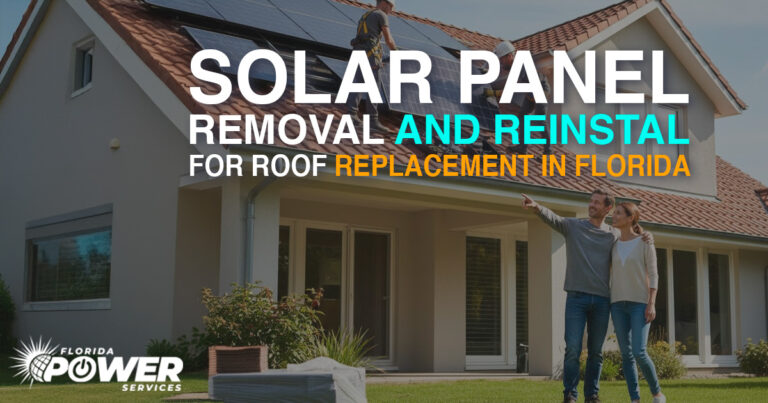
Solar Panel Removal and Reinstall for Roof Replacement in Florida
If you’re replacing your roof and already have solar panels installed, you’ll likely need solar panel removal and reinstall during the process. When planned correctly,

Choosing Solar Energy Systems is not simply a matter of comparing panel prices. It requires careful attention to your roof, electricity use, climate, budget, and long-term plans. A system that performs well on a sunny warehouse may underperform on a shaded residential roof. Small details matter.
This guide presents ten practical tips for making a more informed decision. It considers panel efficiency, inverter quality, battery storage, monitoring tools, installation standards, warranties, and maintenance needs. Reliable guidance should come from qualified installers, independent energy advisers, and manufacturers with transparent technical documentation. Ask for recent project examples, not just impressive promises.
Start with your electricity bills. Notice seasonal changes. Check your roof’s age and direction. Measure available space before reviewing system sizes. These steps can prevent expensive revisions later. It is also wise to compare estimated production with your actual consumption, rather than accepting optimistic projections without questions.
A lower quotation may hide weaker components, limited support, or complicated warranty conditions. Conversely, the most expensive option may not suit your needs. Every home has different constraints. Even careful buyers can misjudge future energy use, especially after adding an electric vehicle or heat pump. Inevitable uncertainty deserves honest discussion.
The following tips are designed to make that discussion clearer. They will help you evaluate technical claims, installer experience, financial assumptions, and expected performance. No checklist replaces professional site assessment. Still, asking better questions can protect your investment and support a safer, more dependable clean-energy decision.
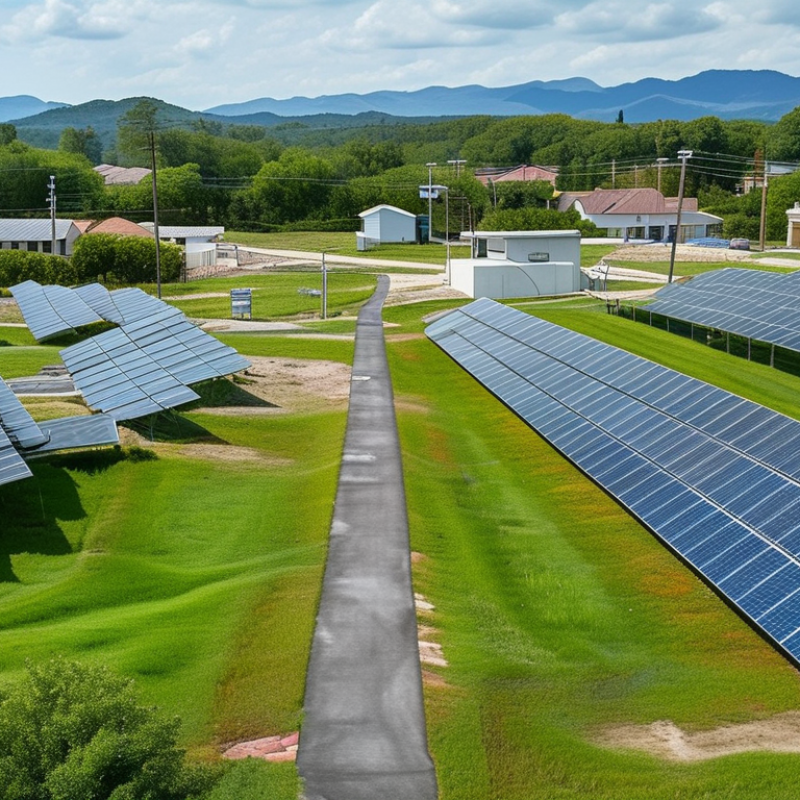
10 Tips for Choosing Solar Energy Systems
Understanding Your Home’s Solar Energy Needs
Start with twelve months of electricity bills, not a quick online estimate. Record monthly usage, seasonal peaks, and unusual increases. A larger system is not automatically better. Check your roof’s usable area, direction, pitch, and afternoon shade from trees or nearby buildings. Even a narrow shadow can reduce production across several panels. Ask a qualified installer to inspect the roof structure, wiring, and main electrical panel before discussing equipment.
List appliances you may add within five years, such as an electric vehicle, heat pump, or workshop tools. Their future demand can change the system size. Battery storage also depends on your goals. Do you need evening power, backup during outages, or lower grid purchases? Measure those needs separately. My early estimate was too optimistic because I ignored winter heating use. That mistake showed why hourly consumption data matters more than an annual average.
Compare production estimates using your local sunlight, roof conditions, and expected system losses. Request clear information about maintenance, monitoring, warranties, permits, and connection requirements. Ask who performs inspections and repairs. Reliable advice should explain limitations, not promise perfect savings. Leave space for ventilation, safe access, and possible roof repairs. A professional assessment may reveal that efficiency improvements, such as sealing drafts, should come before adding solar capacity.
| Tip | What to Evaluate | Useful Data or Benchmark | Why It Matters | Recommended Action |
|---|---|---|---|---|
| 1 | Review your household electricity consumption | 12-month electricity use, measured in kilowatt-hours (kWh), is more reliable than using a single monthly bill. | Solar production varies seasonally, so annual consumption provides a better basis for system sizing. | Collect at least one year of utility bills and calculate the average monthly and annual usage. |
| 2 | Check the available roof area | A typical residential solar panel is approximately 1.7–2.1 m² and commonly produces about 350–450 watts under standard test conditions. | Roof size determines how many panels can physically be installed. | Exclude skylights, vents, chimneys, access paths, and shaded sections before estimating usable space. |
| 3 | Assess roof orientation and tilt | In the Northern Hemisphere, roofs facing generally south often receive strong annual sunlight. East- and west-facing roofs can also perform well, depending on local conditions. | Orientation and tilt influence the timing and amount of daily solar production. | Request a site-specific solar assessment rather than relying only on a roof direction estimate. |
| 4 | Measure shading throughout the day | Shadows from trees, buildings, and roof structures can reduce output; the effect changes between morning, midday, afternoon, and different seasons. | Even partial shading can affect the production of a group of connected panels. | Inspect the roof at several times of day and ask for a shade analysis using location-specific sunlight data. |
| 5 | Estimate the required system capacity | A basic estimate is: annual electricity use ÷ expected annual production per kilowatt of installed solar capacity. | System size should reflect local solar conditions, roof constraints, electricity use, and the desired level of bill reduction. | Compare the estimated capacity with a professional production forecast that includes losses from temperature, wiring, dust, and conversion. |
| 6 | Consider future electricity demand | Planned additions such as an electric vehicle, heat pump, electric water heater, or home extension may substantially increase annual kWh usage. | Installing a system based only on current consumption may lead to insufficient capacity later. | Include expected electrical upgrades in the design discussion and verify local interconnection limits. |
| 7 | Decide whether battery storage is necessary | Battery storage is most useful when backup power or greater evening energy use is important. Usable battery capacity is lower than the nameplate capacity because of operating limits. | Solar panels generally produce most of their electricity during daylight, while many households use more electricity in the evening. | Size a battery around critical loads, backup duration, evening consumption, and the local electricity rate structure. |
| 8 | Compare system efficiency and performance estimates | Panel efficiency for current residential products commonly falls in the approximate range of 19%–23%, while total system output is affected by multiple losses. | Higher efficiency can be valuable when roof space is limited, but it is only one part of overall system performance. | Compare expected annual kWh production, temperature behavior, degradation assumptions, and available roof area—not efficiency alone. |
| 9 | Evaluate equipment durability and warranties | Solar panels are commonly designed for service lives of 25 years or more. Output typically declines gradually over time rather than stopping suddenly. | Long-term performance depends on equipment quality, installation workmanship, weather exposure, and maintenance. | Review product, workmanship, and performance warranty terms, including exclusions and the process for making a claim. |
| 10 | Understand local costs, rules, and electricity compensation | Permits, grid-connection requirements, export limits, electricity rates, and incentives vary by location and can change over time. | These factors affect payback, energy savings, system design, and whether excess solar electricity can be sent to the grid. | Confirm current requirements with the local authority and utility, and compare the total installed cost with realistic annual savings. |
Planning note: Solar production and financial results depend on location, weather, roof conditions, electricity use, system design, utility rules, and applicable incentives. Use these figures as general planning benchmarks and obtain a site-specific assessment before making a purchase.

If you’re replacing your roof and already have solar panels installed, you’ll likely need solar panel removal and reinstall during the process. When planned correctly,
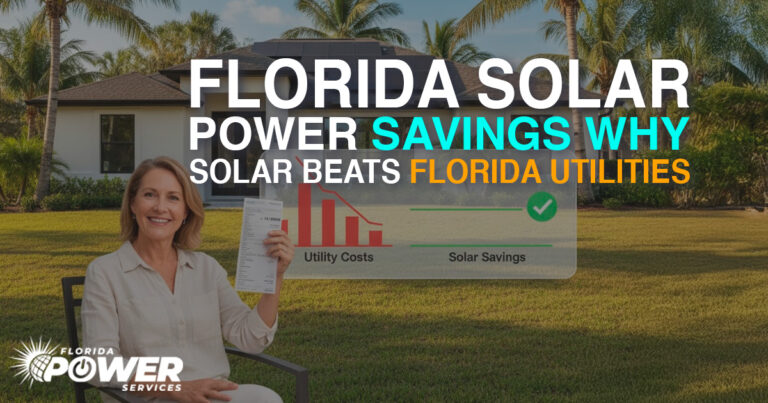
Florida homeowners are seeing their power bills rise faster than ever. Between AI data centers, fuel costs, and storm-related grid upgrades, utilities are increasing rates

⏳Go Solar Before the Deadline Permitting in Pinellas County solar jurisdictions is already experiencing serious delays. Plan reviews are running 4+ weeks behind. That means