2026 Top Residential Solar Power Trends for Energy Savings?
As we move towards a more sustainable future, Residential Solar Power is gaining significant traction. This trend is not just about energy efficiency; it also focuses on cost savings and environmental impact. By harnessing solar energy, homeowners can reduce their reliance on traditional energy sources, which often fluctuate in price and availability.
A variety of advancements in technology make solar panels more accessible and efficient. Innovative designs and enhanced battery storage solutions are emerging to meet increasing demands. However, the installation and maintenance of these systems still pose challenges for many homeowners. Understanding these obstacles can help inform better decisions.
In 2026, we can expect to see shifts in consumer preferences and government policies that support Residential Solar Power. It’s essential to examine these trends closely. By doing so, we can better appreciate the complexities and opportunities within the solar industry. Ultimately, the journey towards solar adoption is ongoing and requires both commitment and adaptation from homeowners and industry professionals alike.
Emerging Technologies in Residential Solar Power for 2026
As we approach 2026, the residential solar power landscape is set for significant evolution. Emerging technologies are making solar energy more efficient and accessible. One notable trend is the rise of bifacial solar panels. These panels can capture sunlight from both sides, increasing energy output by up to 30%, according to data from the National Renewable Energy Laboratory. This efficiency could drive down overall energy costs for homeowners.
Another area of innovation is energy storage solutions, particularly lithium-silicon batteries. These batteries offer higher capacity and faster charging times compared to traditional lithium-ion options. A report by Wood Mackenzie suggests that the adoption of these batteries could grow by 50% in the next few years. However, challenges remain, such as recycling and battery longevity, necessitating ongoing research and development.
Smart solar technology is also gaining traction. Smart inverters and energy management systems enable homeowners to optimize energy usage in real time. As the market expands, it is crucial to address security concerns related to data privacy. With advancements come responsibilities, and ensuring these systems are secure must be a priority. Balancing innovation with reliability presents a fresh challenge in the solar industry.
Key Design Trends in Solar Panel Installation for Energy Efficiency
As we approach 2026, residential solar power is experiencing transformative trends focused on energy efficiency. A recent report from the International Energy Agency notes that improving solar panel designs can enhance energy savings significantly. Homeowners are now prioritizing aesthetics along with functionality. Sleek, integrated panels that blend seamlessly with roofs are becoming highly sought after. These designs not only look good but also maximize energy production.
A notable trend involves utilizing bifacial solar panels. These panels can capture sunlight from both sides, potentially increasing energy output by up to 15%. This innovation is especially valuable in areas with ample reflective surfaces, like snow or water. Data suggests that communities embracing this technology could see reduced energy bills.
Tips: For modern installations, consider how shading affects panel efficiency. Regularly cleaning panels can boost performance. Engaging with expert installers can ensure optimal positioning for your solar system. Exploring local incentives can also lead to significant savings. Keep in mind, the initial cost may seem high, but long-term benefits outweigh these concerns.
Innovative Energy Storage Solutions for Home Solar Systems
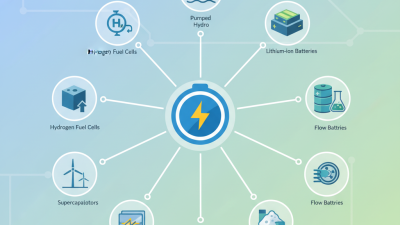
Innovative energy storage solutions are transforming home solar systems. Homeowners can store excess energy generated during the day. This stored energy can be used during the night or on cloudy days. Advanced battery technologies are more efficient and affordable. They provide reliable backup power when needed.
One of the most exciting trends is integrating smart technology. Smart batteries can monitor energy consumption in real-time. They learn user habits, optimizing energy usage for maximum savings. However, there are challenges. Not all homes can accommodate large battery systems. Space and installation costs are concerns for many homeowners.
The reliability of energy storage systems is often questioned. Some homeowners report inconsistent performance during peak load times. Understanding battery capacity and lifespan is crucial in making informed choices. Continuous research and development are essential to improve storage solutions. While the future looks promising, careful consideration of these factors is needed for effective energy savings.
Government Policies and Incentives Shaping Solar Energy Adoption
Government incentives are playing a crucial role in the solar energy sector. Diverse policies are emerging to drive adoption. Programs like tax credits and rebates encourage homeowners to invest in solar power systems. These financial aids reduce the upfront costs, making solar energy more accessible to a wider audience.
Tips: Research local incentives. Each area has unique offerings. Some states provide significant tax breaks. Others may have grant programs to reduce installation costs. Knowing what is available can impact your investment.
However, despite these benefits, navigating government policies can be complex. Regulations can change, and some areas may lack supportive frameworks. This inconsistency can deter potential buyers. It's essential to stay informed about the latest energy policies. Engaging with local energy offices could provide valuable guidance.
Tips: Attend community meetings. Connecting with local solar advocates can offer insights. Consider joining forums to share experiences. Learning from others can highlight both successes and pitfalls in the process. Understanding the broader picture helps in making educated decisions.
2026 Top Residential Solar Power Trends for Energy Savings
Consumer Preferences and Market Trends Influencing Solar Choices
The adoption of residential solar power is influenced greatly by consumer preferences and evolving market trends. A recent report from the Solar Energy Industries Association (SEIA) emphasizes that 80% of homeowners are considering solar energy due to rising energy costs. Many consumers are motivated by environmental concerns as well. Reports indicate that 70% of buyers view solar panels as a way to reduce their carbon footprint.
In addition to environmental motivations, financial incentives play a crucial role. According to a 2022 report, 90% of homeowners are aware of tax credits and rebates that can significantly offset installation costs. Energy-efficient upgrades are also a priority, as research shows that homes with solar can sell for 4.1% more than those without.
**Tip:** Investigate local incentives in your area before making a decision. This can enhance your savings and influence your choice.
Consumers are also focusing on aesthetics and performance. Many opt for sleek designs that complement their homes. However, quality plays a crucial role in satisfaction. A mismatch between expectations and actual performance can lead to disappointment.
**Tip:** Always review product warranties and performance guarantees to ensure what you are investing in meets your long-term needs.