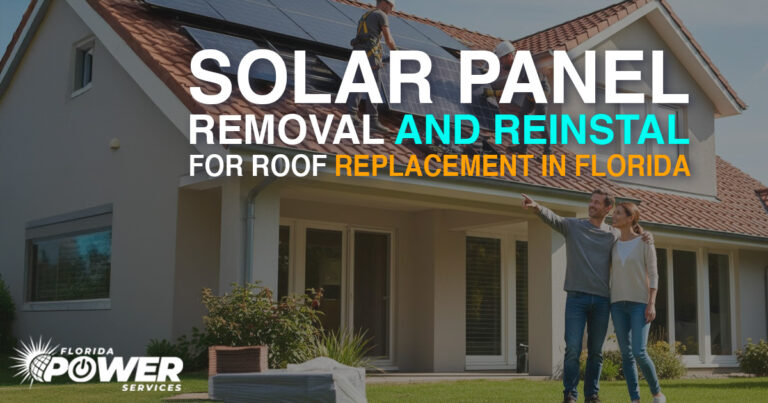
Solar Panel Removal and Reinstall for Roof Replacement in Florida
If you’re replacing your roof and already have solar panels installed, you’ll likely need solar panel removal and reinstall during the process. When planned correctly,

Choosing among Solar Panel Systems in 2026 means looking beyond panel wattage. A strong system should fit your roof, electricity use, budget, and local climate. Energy expert Amory Lovins has said, “The cheapest energy is the energy you don’t use.” That idea matters here: insulation, efficient appliances, and smart energy habits can change the size and cost of the system you need.
This guide compares the main options buyers are likely to consider, including high-efficiency panels, hybrid systems with battery storage, and simpler grid-connected setups. It also explains what to check in an inverter, warranty, monitoring app, and installer quote. Look closely at the details. A 25-year panel warranty may sound reassuring, but it does not automatically cover every component or installation problem. Battery capacity matters too; a large unit can be costly if your household rarely needs backup power.
Real homes are not spreadsheets. A shaded roof, a north-facing section, or a utility’s export rules can change the best choice. Prices and product availability also vary by region, so rankings should be treated as a starting point, not a promise. Some comparisons leave out inconvenient details. We will try not to. The goal is a practical shortlist—and clearer questions to ask before signing a contract.
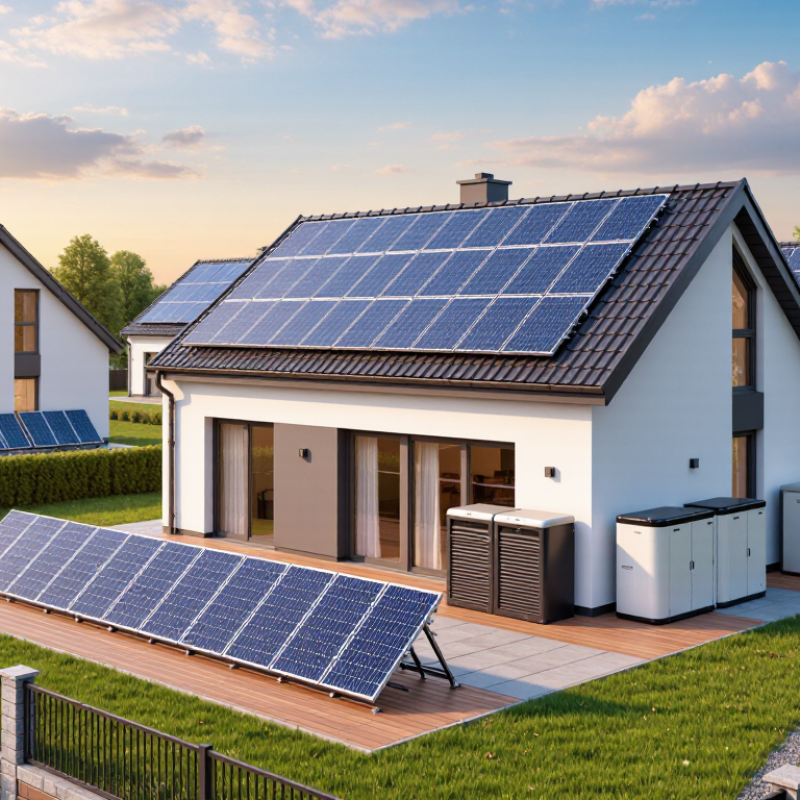
In 2026, a solar panel system converts sunlight into direct-current electricity. An inverter changes that electricity into alternating current for household circuits. On a clear afternoon, panels may produce more power than a home uses; after sunset, they produce none. Simple, but not always predictable.
The system’s output depends on sunlight, roof direction, shade, temperature, and equipment losses. NREL’s PVWatts model includes weather and system-loss assumptions, helping estimate production for a specific location. Its estimate is not a promise: a chimney shadow or dusty panel can change real results. That part is easy to underestimate. Inverters also monitor output, and some systems can pair with batteries to store daytime energy for evening use.
The scale is growing fast. IEA PVPS reported that at least 407.3 gigawatts of new solar capacity were installed worldwide in 2023, bringing cumulative capacity above 1.6 terawatts. In the United States, the Energy Information Administration reported utility-scale solar generation of about 163 billion kilowatt-hours that year. These figures describe very different scales, so they cannot predict one home’s bill. For a buyer, the useful details are the system’s estimated annual production, expected midday surplus, and how much electricity the household uses after dark. A north-facing roof, for example, may produce less than a sunny south-facing one. Check the roof first.
| System type | Main components | How energy flows | Works during a grid outage? | Best suited to | Buyer considerations |
|---|---|---|---|---|---|
| Grid-tied, no battery | Solar panels, inverter, mounting system, grid connection, and required electrical protection | Panels produce direct-current (DC) electricity. An inverter converts it to alternating current (AC) for household use; surplus may be exported if local rules allow. | Usually no. Standard grid-tied inverters shut down during an outage to protect utility workers unless the system has approved backup capability. | Homes connected to a reliable grid that want to use solar power and reduce purchased electricity. | Often has fewer components than a battery system. Savings depend on system cost, sunlight, electricity rates, and local export-compensation rules. |
| Grid-tied with battery backup | Solar panels, inverter or hybrid inverter, battery, controls, and a backup circuit or transfer equipment | Solar power serves loads first; available surplus can charge the battery or be sent to the grid. Stored energy can supply selected loads when the grid is down. | Yes, if the equipment is designed and configured for backup. The backed-up circuits and duration depend on the system and battery charge. | Households seeking outage protection or greater control over when they use stored solar energy. | Batteries add cost and have limited usable capacity and power output. Check which circuits are backed up and whether the battery can recharge during an outage. |
| Off-grid solar with storage | Solar panels, batteries, inverter, charge control, system monitoring, and often a backup generator | Panels supply current loads and charge batteries through the system controls. Batteries and, when included, a generator provide power when solar production is insufficient. | The system is not dependent on the grid, provided it is correctly sized and has sufficient stored energy or generator support. | Remote properties without a practical grid connection, or sites choosing not to connect. | Sizing must account for seasonal sunlight, peak loads, consecutive low-sun days, and battery limits. Efficient appliances can reduce system requirements. |
| Panel-level conversion system | Panels with a microinverter at each panel, or DC optimizers paired with a central inverter | Each panel, or each optimized panel, is managed separately before electricity is converted or combined for household AC use. | Not by itself. Outage operation still requires compatible grid-forming or backup equipment and appropriate configuration. | Roofs with partial shading, multiple orientations, or a need to monitor panel-level production. | Panel-level electronics can reduce the effect of a low-producing panel on other panels, but actual gains depend on site conditions and equipment design. |
| How to compare systems: Review the estimated annual energy production, installed price, equipment and workmanship warranties, battery usable capacity and power rating, backup configuration, and local permitting and utility rules. Solar-panel output varies with location, roof orientation, shading, temperature, and system losses; no system type is best for every buyer. | |||||
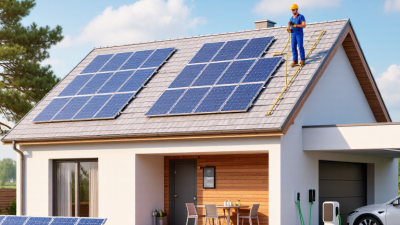
If you’re replacing your roof and already have solar panels installed, you’ll likely need solar panel removal and reinstall during the process. When planned correctly,
Florida homeowners are seeing their power bills rise faster than ever. Between AI data centers, fuel costs, and storm-related grid upgrades, utilities are increasing rates

⏳Go Solar Before the Deadline Permitting in Pinellas County solar jurisdictions is already experiencing serious delays. Plan reviews are running 4+ weeks behind. That means