Why is Solar Power Technology Essential for a Sustainable Future?
Solar Power Technology is transforming the way we think about energy. As the world grapples with climate change, this innovative solution offers hope. Traditional energy sources harm the environment. In contrast, solar power harnesses sunlight, a clean and abundant resource. It reduces carbon emissions and reliance on fossil fuels.
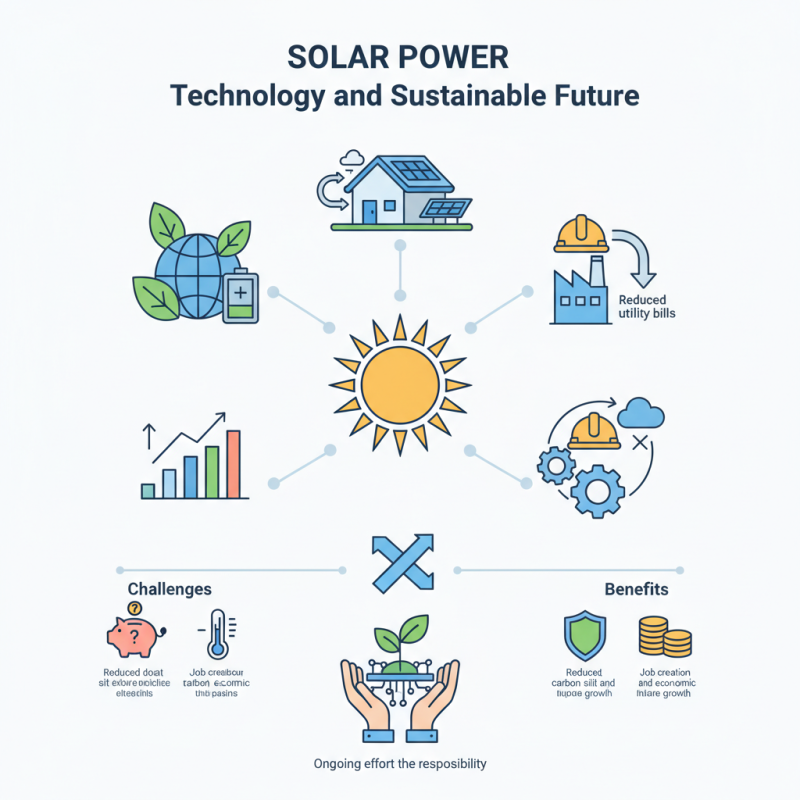
Investing in Solar Power Technology paves the way for a sustainable future. It creates jobs and stimulates economic growth. Solar panels are being installed in homes and businesses worldwide. While the technology is advancing, challenges remain. Initial costs can be high, and efficiency varies. These factors may deter some potential users.
Despite the hurdles, the benefits are clear. Solar power improves energy security and decreases utility costs. Nations that adopt this technology demonstrate leadership in environmental sustainability. However, we must also consider the long-term impacts. Sustainable practices must evolve with the technology. Embracing Solar Power Technology is essential, yet it requires ongoing effort and responsibility.
The Role of Solar Power in Mitigating Climate Change Effects
Solar power is a crucial ally in the fight against climate change. By converting sunlight into electricity, solar panels can significantly reduce our reliance on fossil fuels. The decrease in carbon emissions is vital. It helps slow down global warming.
Solar energy can power homes, businesses, and vehicles. This shift aids in creating a cleaner environment.
Despite its advantages, challenges remain. The production of solar panels has environmental impacts. Some materials used may have harmful effects. Additionally, the energy output can be inconsistent, depending on weather conditions.
Energy storage solutions are still developing. It means we need more innovation. Solar technology must evolve to meet increasing demands effectively.
Education and awareness about solar energy are crucial. Many people remain unaware of its benefits. Governments can support research to improve solar technology. Community programs can promote its adoption.
Collaboration across sectors will ensure a sustainable future. This journey requires commitment and reflection. Embracing solar energy is not a final step, but part of a larger movement.
Key Benefits of Solar Power Technology for Energy Sustainability
Solar power technology is crucial for achieving energy sustainability. It harnesses the sun's energy, a clean and renewable resource. The benefits are numerous and significant. Solar energy reduces greenhouse gas emissions, combating climate change. It offers a practically limitless supply of energy, unlike fossil fuels.
One major advantage of solar power is its ability to lower electricity bills. By producing your own energy, you depend less on the grid. Installing solar panels can provide energy independence. However, some might worry about installation costs. While the initial investment can be high, long-term savings often outweigh the expenses.
Tips: Consider local incentives for solar installation. Many regions offer rebates or tax credits. Research installation options thoroughly to find a reputable provider. It's also wise to explore financing options to manage the upfront costs better. Finally, regular maintenance can extend the life of your solar panels. Solar technology holds promise for a sustainable future, but it requires careful planning and understanding.
Advancements in Solar Technology: Paving the Way for Future Innovations
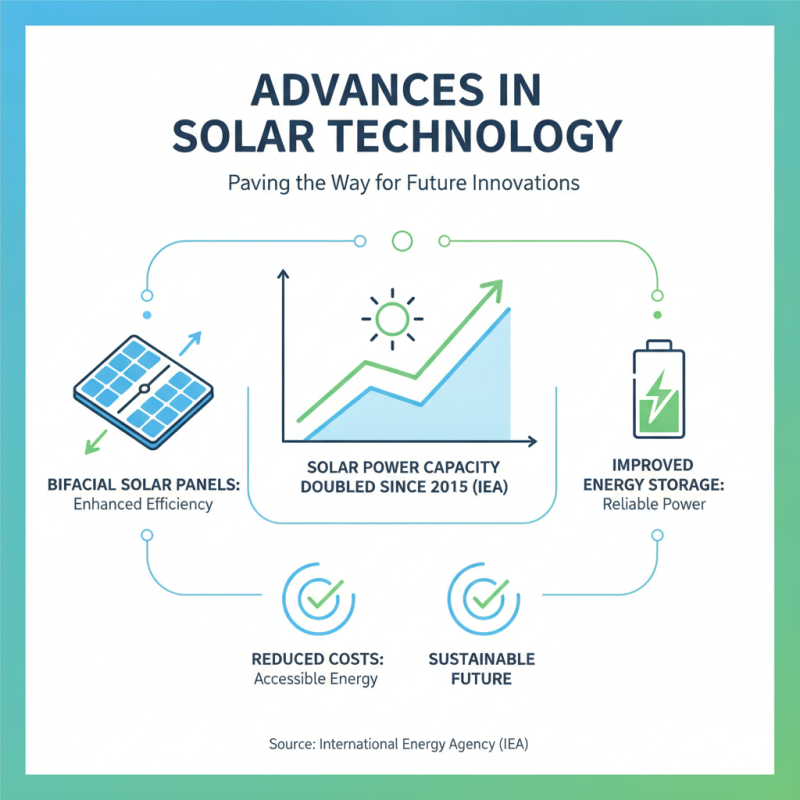
The advancements in solar technology are redefining our approach to sustainable energy. According to the International Energy Agency, solar power capacity has more than doubled since 2015. This rapid growth is due to innovations such as bifacial solar panels and improved energy storage solutions. These developments enhance efficiency and reduce costs, making solar energy accessible to more consumers.
Despite these advancements, challenges remain. The need for efficient recycling processes for solar panels is becoming urgent. Around 78 million metric tons of solar panel waste is projected by 2050 if current trends continue. This raises questions about sustainability and responsible disposal methods. The industry must address these issues to truly harness solar's potential.
Moreover, while solar technology is evolving, grid integration poses significant hurdles. Many regions still struggle with outdated infrastructure. The unpredictability of solar energy generation also complicates its reliability as a primary power source. Balancing innovation with practical application is critical. The journey towards a sustainable future with solar power is filled with opportunities and obstacles alike.
Economic Implications of Solar Power Adoption in Various Sectors
The adoption of solar power technology has significant economic implications across various sectors. According to the International Renewable Energy Agency (IRENA), solar energy could create over 24 million jobs globally by 2030. This statistic highlights the potential of solar energy to drive employment in manufacturing, installation, and maintenance. Industries involved in solar energy create skilled positions, fostering job growth and contributing to local economies. Communities benefit from these jobs, increasing income levels and reducing unemployment rates.
In addition to job creation, solar power adoption can lead to cost savings. The levelized cost of electricity (LCOE) from solar has decreased by approximately 89% since 2010, according to the Lazard Levelized Cost of Energy Analysis. This substantial decline allows businesses to save on energy expenditures. However, challenges exist in the transition. Initial investment costs can be a barrier for small enterprises. Some businesses may struggle to secure financing for solar installations. Despite these hurdles, the long-term savings often outweigh the upfront costs.
Moreover, the integration of solar into energy grids can stimulate local economies. It encourages energy independence, reducing reliance on fossil fuels. This independence fosters resilience during energy crises. However, regulatory frameworks need to adapt. Policymakers must evaluate incentives and regulations to support this clean energy shift. Balancing immediate costs with future benefits remains a key consideration for businesses and governments alike.
Economic Implications of Solar Power Adoption in Various Sectors
This chart demonstrates the projected economic impacts of solar power adoption across different sectors by the year 2030. The data reflects the estimated savings and investment benefits across residential, commercial, and industrial sectors.
Challenges and Opportunities in the Global Transition to Solar Energy
The transition to solar energy presents both significant challenges and unique opportunities. Many countries rely heavily on fossil fuels. This dependency complicates the shift toward renewable energy sources. There is also the issue of infrastructure. Upgrading the grid to accommodate solar power can be costly and time-consuming. Additionally, some regions face geographical limitations that hinder the widespread adoption of solar technology.
Despite these obstacles, advancements in solar technology offer hope. Innovative methods for energy storage are emerging. Better efficiency in solar panels is reducing costs and increasing access. Government incentives can encourage investments in solar projects. Moreover, public awareness is growing, leading to more community-driven solar initiatives. This collective action fosters resilience in the face of adversity.
While progress is being made, there are still areas for improvement. Not all societies have equal access to solar energy. Economic disparities can create gaps in adoption rates. Collaboration between governments, businesses, and communities is essential to bridge these divides. Reflection on past mistakes, like over-reliance on fossil fuels, can guide future actions. Embracing solar energy is crucial, but we must approach it with a commitment to equity and sustainability.
Why is Solar Power Technology Essential for a Sustainable Future? - Challenges and Opportunities in the Global Transition to Solar Energy
| Dimension |
Description |
Current Status |
Future Opportunities |
| Cost of Solar Technology |
The decreasing cost of solar panels and installation. |
Declining prices by 82% since 2010. |
Further cost reductions with advances in technology. |
| Energy Storage Solutions |
The use of batteries to store solar energy for later use. |
Limited adoption due to high costs and technology limitations. |
Innovations in battery technology could enhance storage capabilities. |
| Regulatory Framework |
Policies and regulations that facilitate solar energy deployment. |
Mixed incentives across different regions. |
Stronger global standards could streamline development. |
| Public Awareness |
Understanding of solar energy benefits and applications. |
Growing interest but still lacks widespread knowledge. |
Education campaigns can increase adoption rates. |
| Grid Integration |
The ability of power grids to incorporate solar energy. |
Current grids face challenges with solar variability. |
Smart grid technologies could improve integration efficiency. |