7 Best Battery Backup Systems for Home in 2026
A home battery can turn a dark, silent evening into a manageable interruption. It can keep a refrigerator cold, lights on, and essential devices charged—but only within its power and capacity limits. The U.S. Energy Information Administration reported that customers averaged about 5.5 hours of electricity interruptions in 2023, including major events. That figure is a national average, not a promise about your neighborhood.
Battery Backup Systems differ in usable capacity, continuous output, chemistry, expansion options, and installation requirements. NREL energy researcher Paul Denholm’s work on storage offers a useful lens: batteries shift electricity across time; they do not create it. That distinction matters when comparing a system charged from the grid with one paired with solar panels. A large capacity number may look reassuring, yet a modest power rating could still limit which appliances run together.
Real homes are messy. A furnace may need a brief surge at startup, while a router quietly draws power for hours. This guide compares seven home backup systems for 2026, focusing on published specifications, warranty terms, expansion, and practical fit. It also flags a limitation: manufacturer runtime estimates depend on load, temperature, and charging conditions. Treat them as estimates, not guarantees. The best choice is the one that supports your actual essential loads and fits your budget, electrical setup, and outage risks. Check the fine print before trusting a headline capacity.
What Is a Home Battery Backup System?
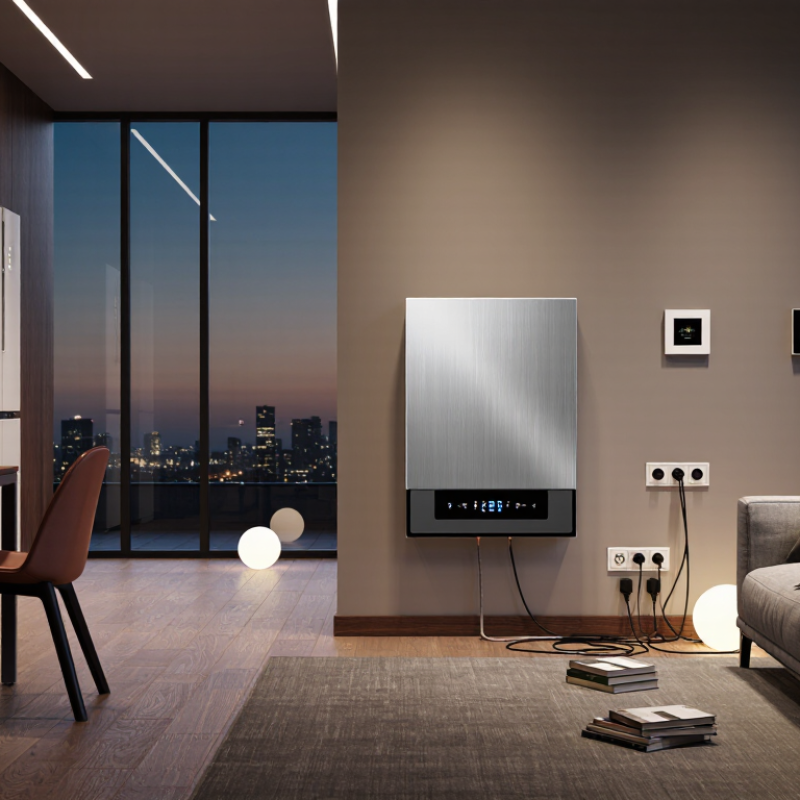
A home battery backup system stores electricity for use when the grid goes down or energy rates change. It usually includes battery cells, an inverter, control equipment, and a way to monitor stored power. Some systems can charge from rooftop solar panels; others also charge from the grid. During an outage, the inverter converts stored electricity into the type household appliances use.
The battery’s capacity, measured in kilowatt-hours, indicates how much energy it can store. Its power rating, measured in kilowatts, affects how many devices it can run at once. A refrigerator, modem, and several lights may be manageable, while electric heating or an oven can drain a battery quickly. Not every setup powers the whole house. That detail matters.
Choosing a system starts with listing essential appliances and estimating how long they must run. A qualified installer can assess wiring, placement, ventilation, and whether the home needs a transfer switch. Battery performance also changes with temperature, age, and usage. It is easy to picture a quiet box keeping everything on; in practice, careful load planning makes the difference. I would not assume a battery will cover every need without checking its specifications.
How Home Battery Backup Systems Are Evaluated
A home battery backup should be judged by the power it can actually deliver, not just its advertised capacity. Evaluators compare usable energy, continuous output, and surge capacity. These figures determine whether a system can run a refrigerator, lights, and a medical device at the same time. Test scenarios should reflect ordinary evening use, not an idealized setup. Numbers can mislead.
Reliability matters during an outage. Reviewers examine how quickly backup power activates, whether essential circuits can be selected, and how performance changes in cold or hot conditions. They also check charging options, monitoring accuracy, warranty terms, and expected capacity loss over time. Installation details count: a shaded, cool location may help a battery perform differently from a cramped, sun-heated garage. That matters.
A useful comparison includes safety documentation and clear guidance for routine maintenance. Independent test results are stronger evidence than a sales claim, though test conditions should still be checked. Real homes vary, and a system that works well for one household may fall short for another. I would also question any review that treats estimated runtime as guaranteed; appliance demand can shift sharply when a compressor starts. Evaluation is never perfectly neat.
The 7 Best Battery Backup Systems for Home in 2026
The 7 Best Battery Backup Systems for Home in 2026 depend on what you need to keep running. A compact portable power station can support phones, a router, and a lamp during a short outage. A larger portable unit may also run a refrigerator, but check its starting-watt requirement. Small, but useful. Neither option automatically powers household wiring.
For longer outages, consider a modular home battery, a whole-home battery, or a solar-ready storage system. Modular units let you add capacity as needs change. Whole-home systems can cover more circuits, though installation and electrical upgrades may add substantial cost. Solar-ready storage can recharge from panels when the grid is down, provided the system supports islanded operation. Don’t assume existing panels will work during an outage. Many shut off without compatible equipment.
A generator-compatible hybrid system can combine stored power with another backup source, while an uninterruptible power supply protects sensitive devices from brief interruptions. A critical-load-panel system directs battery power to selected circuits, such as the refrigerator, internet equipment, and a few lights. Check usable capacity, continuous output, transfer time, warranty terms, and indoor or outdoor installation limits. Write down the appliances you actually rely on, then estimate their wattage and runtime. I’ve seen people focus on battery size and overlook surge demand. That’s an easy mistake, and an expensive one.
7 Best Battery Backup Systems for Home in 2026
Figures are representative ranges for common system classes, not specifications for individual products. Runtime estimates assume a steady 1 kW AC load and approximately 85% usable energy after conversion losses; real runtime varies with load, temperature, battery age, inverter efficiency, and installation.
Key Features and Limitations of Each System
A compact portable power station is easy to move and can keep a router, phone, and lamp running during a short outage. Its capacity is limited, and many models cannot power large appliances for long. A modular home battery adds capacity over time and usually connects to selected household circuits. Expansion costs can add up. Check usable capacity, not just the headline figure.
A whole-home battery system can support more circuits, sometimes including larger loads, but it needs careful sizing and professional installation. Solar-plus-storage can recharge from panels when conditions allow; cloudy weather and winter days reduce that advantage. An AC-coupled battery can suit an existing solar setup, though extra conversion steps may reduce efficiency. A DC-coupled hybrid system can coordinate solar and storage more directly, but compatibility matters. A mismatch can be frustrating.
A battery paired with a standby generator offers another option for long outages. The battery handles quiet, brief interruptions, while the generator can run longer when fuel is available. Still, maintenance and operating costs deserve attention. For any system, compare continuous power with the starting demands of pumps or refrigerators. Read the outage-duration assumptions closely. They can be optimistic. A qualified installer can check wiring, circuit priorities, ventilation, and local requirements before purchase.
7 Home Battery Backup System Configurations for 2026
A brand-neutral comparison of example usable-energy capacities. These are illustrative system configurations, not ratings for specific products.
How to read it: Higher usable capacity can support a larger load or longer backup, but actual runtime depends on inverter output, conversion losses, battery reserve settings, and what the home is powering. For example, 10 kWh could theoretically supply a 1 kW load for 10 hours before losses and reserves.
How to Choose and Install a Home Battery Backup System
Choosing a home battery backup starts with the loads you actually need, not the largest capacity you can afford. List essentials such as a refrigerator, a few lights, internet equipment, and a medical device if applicable. Check each device’s running watts and startup surge; motors can briefly draw more power. Then estimate how many hours you want those loads supported. A battery’s usable capacity and inverter output both matter. A large battery may still struggle with a powerful appliance. Even a careful estimate can miss a cold-weather outage or an extra overnight.
Installation deserves equal attention. Ask a qualified electrician to assess your panel, wiring, grounding, and transfer equipment. A properly designed transfer switch helps isolate the home from the grid during an outage. Confirm where the battery can be mounted, including required clearances and temperature limits in its installation manual. Some homes need panel upgrades, which can change the project cost. Check local permit and inspection requirements before work begins. Details vary by home, so a quick online estimate is not a substitute for an on-site assessment.
Tips: Keep a short list of priority circuits beside the panel. Ask the installer to explain how the system behaves when the battery runs low. If you plan to add solar later, mention that before choosing equipment. Keep it practical. Backup expectations can be imperfect, so review the plan after living with it.