How to Implement Clean Energy Systems for a Sustainable Future?
In today's world, the urgency for sustainable solutions is paramount. Clean Energy Systems represent a vital step toward a greener future. These systems utilize renewable resources, such as solar and wind, to generate energy with minimal environmental impact. This not only helps reduce greenhouse gas emissions but also conserves natural resources.
Implementing Clean Energy Systems requires innovative strategies and substantial investment. Communities must work together, adopting new technologies while considering their unique contexts. The complexity of transitioning from conventional energy sources presents challenges. Each region has its own set of obstacles, including economic, social, and infrastructural issues.
Achieving a sustainable future is a collective responsibility. We must reflect on our choices and adapt to new paradigms. Clean Energy Systems offer promising pathways but demand ongoing commitment and collaboration. Sustainable solutions will evolve, and it's essential to continuously evaluate their effectiveness and impact.
Understanding Clean Energy Systems and Their Importance
Clean energy systems are essential for a sustainable future. According to a report by the International Energy Agency, renewable energy sources could contribute over 80% of the world's electricity by 2050. This transition could significantly reduce greenhouse gas emissions. However, many regions still rely heavily on fossil fuels. This reliance poses a challenge in achieving global climate goals.
Understanding clean energy systems involves recognizing their diverse components.
Solar panels, wind turbines, and hydroelectric dams are core elements. The Global Wind Energy Council reported that wind energy capacity increased by 53 GW globally in 2020. This showcases the potential for expansion. Nonetheless, the integration of these systems into existing infrastructures can be complicated.
Investment in clean energy is critical yet often overlooked. The International Renewable Energy Agency highlights that the world needs $2 trillion annually to reach climate targets by 2030. This figure is daunting, but it points to the need for innovative financing solutions. Failure to act may lead to irreversible environmental damage. Balancing progress with sustainability requires ongoing dialogue and reflection on current practices.
Key Technologies for Clean Energy Implementation
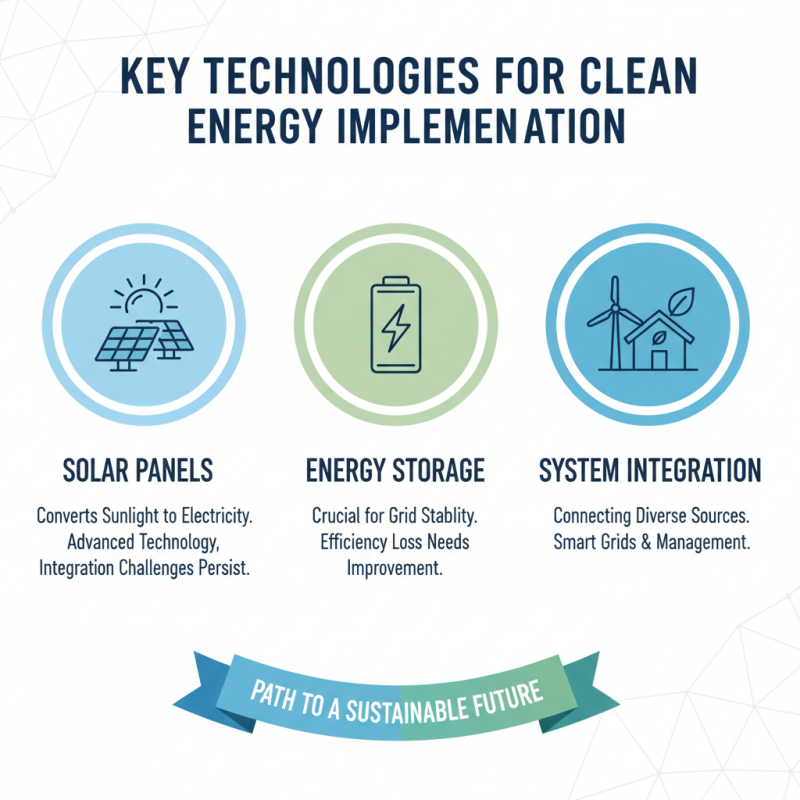
Implementing clean energy systems is crucial for a sustainable future. Key technologies play a vital role in this transition. Solar panels are one of the most recognized solutions. They convert sunlight into electricity. This technology has advanced significantly, yet integration challenges remain. Efficiency losses during energy storage still need improvement.
Wind energy is another critical player. Wind turbines generate power using natural wind currents. They are often located in remote areas. However, transporting this energy can be difficult. Local infrastructure may not support large-scale distribution. Battery storage systems are essential here but often expensive and not always reliable.
Hydrogen fuel, too, shows promise. It can be created using renewable resources. Yet, the methods for large-scale production have not been perfected. There are concerns about its storage and transportation safety. Each of these technologies carries potential, but they also come with their own set of challenges. Finding the right balance is key. As we move forward, continuous refinement is necessary. The journey toward clean energy is complex and requires collaboration and innovation.
Strategies for Integrating Clean Energy into Existing Infrastructure
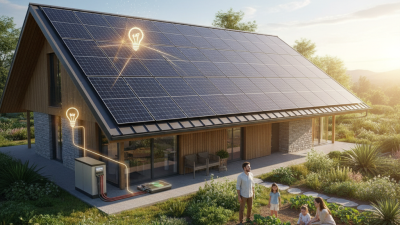
Integrating clean energy into existing infrastructure presents unique challenges. Urban areas, with their complex designs, require innovative approaches. Retrofitting buildings for solar energy is one method gaining traction. It often includes installing solar panels on rooftops. However, structural limitations can impede installations. Not all buildings can support the weight of solar panels, leading to potential drawbacks.
Another strategy involves upgrading public transportation systems. Electrifying bus fleets can significantly reduce greenhouse gas emissions. Cities need to invest in charging stations that align with existing routes. The challenge here is the upfront investment and the need for public support. Setting up these stations involves careful planning to avoid disrupting traffic.
Wind energy is becoming a popular choice for large-scale power generation. These systems can be linked to traditional power grids. Yet, integrating them effectively remains an obstacle. Existing grids may require significant upgrades to handle the variability of wind energy. This transition demands technical expertise and community engagement. As we move forward, these reflections highlight the importance of tailored solutions in achieving a sustainable energy future.
How to Implement Clean Energy Systems for a Sustainable Future? - Strategies for Integrating Clean Energy into Existing Infrastructure
| Strategy |
Description |
Benefits |
Challenges |
Implementation Timeframe |
| Solar Panel Installation |
Integrating photovoltaic panels into building rooftops or open spaces. |
Reduces electricity costs, low maintenance. |
High upfront costs, variability in sunlight. |
1-2 years |
| Wind Energy |
Installing wind turbines in suitable locations. |
Sustainable energy source, job creation. |
Requires significant land, environmental concerns. |
2-3 years |
| Energy Storage Solutions |
Utilizing batteries to store solar or wind energy for later use. |
Stabilizes energy supply, increases reliability. |
High storage costs, limited lifespan of batteries. |
1-2 years |
| Smart Grid Technology |
Modernizing electricity networks to improve efficiency. |
Enhanced efficiency, better load management. |
Complexity of implementation, high costs. |
5-10 years |
| Biomass Energy |
Using organic materials for energy production. |
Utilizes waste, reduces landfill use. |
Possible emissions problems, resource availability. |
2-4 years |
Policy Frameworks and Incentives for Clean Energy Adoption
Clean energy adoption relies significantly on effective policy frameworks and incentives. Governments play a crucial role by establishing regulations that promote renewable energy sources. The International Renewable Energy Agency (IRENA) noted that effective policies could result in a global economic boost of up to $96 trillion by 2050. Countries with clear and ambitious renewable energy targets can attract investments, which drive innovation and efficiency.
Incentives such as tax credits, rebates, and feed-in tariffs have proven effective in many regions. A study by the National Renewable Energy Laboratory (NREL) highlighted that incentives could reduce the cost of solar installations by 30% or more. However, intricate policies can sometimes lead to confusion among consumers. Some individuals may feel overwhelmed by the complexity of the systems in place. Simplifying these frameworks could enhance public engagement and increase adoption rates.
While ambitious, these policies must be evaluated regularly. For instance, initiatives that worked well in one region may not be suitable in another. Continuous adaptation, based on local conditions and technological advancements, is essential. Monitoring progress and feedback can help policymakers fine-tune existing frameworks. This approach ensures that clean energy systems remain effective and equitable for all communities.
Community Engagement and Education for Sustainable Practices
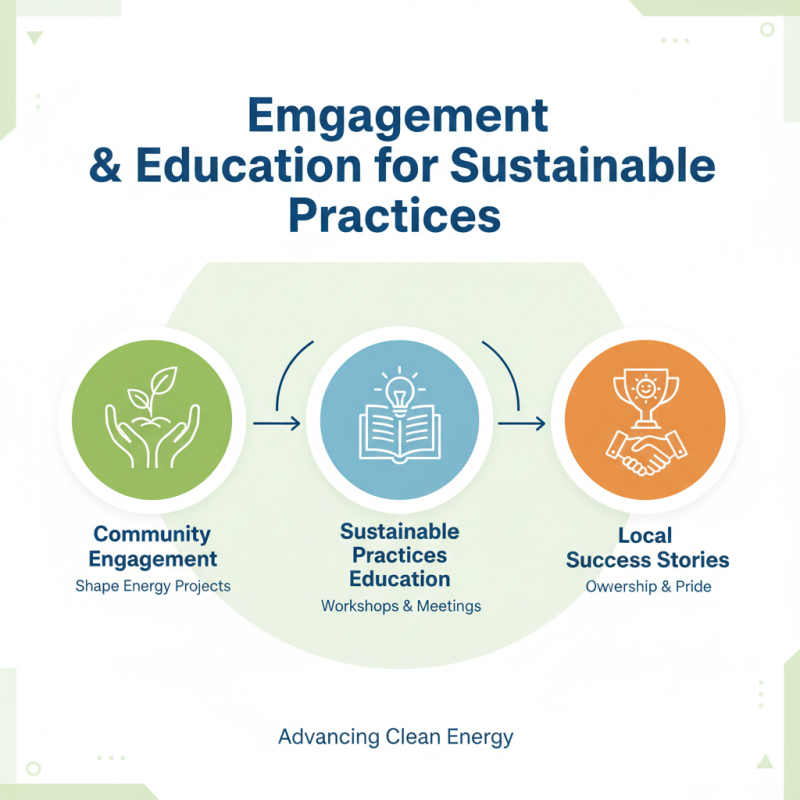
Community engagement is vital for advancing clean energy systems. When residents actively participate, they help shape energy projects. People need education on sustainable practices. Workshops and community meetings can facilitate this understanding. Sharing local success stories fosters a sense of ownership and pride.
Inviting experts can enhance the credibility of these educational initiatives. However, not every project will succeed. Some may face opposition or logistical challenges. Reflection on these experiences can provide valuable insights. Engaging communities also means listening to their concerns and addressing them.
Creating informative resources is crucial. Flyers, social media posts, and local events can spread awareness. Still, community members may have varying levels of interest or understanding. Tailoring communication to different demographics is essential. This approach ensures that everyone feels included in the journey toward sustainability.