Solar Panel Removal and Reinstall for Roof Replacement in Florida
If you’re replacing your roof and already have solar panels installed, you’ll likely need solar panel removal and reinstall during the process. When planned correctly,

Choosing Grid Tied Solar Systems for global projects requires more than comparing panel prices. It requires careful attention to grid stability, local regulations, climate conditions, and long-term energy demand. A system designed for a dry desert may perform poorly in a humid coastal city. Inverters, transformers, protection devices, and monitoring platforms must work as one reliable network.
The International Energy Agency reported that global solar photovoltaic additions approached 400 gigawatts in 2023. Solar represented around three-quarters of new renewable capacity added worldwide. IRENA’s Renewable Capacity Statistics 2024 also recorded solar as the fastest-growing renewable technology. These figures show strong market confidence. They do not guarantee project success. Grid connection delays, weak transmission networks, and unsuitable forecasting can still reduce financial returns.
Fatih Birol, Executive Director of the IEA, has stated, “Solar PV is now the cheapest source of new electricity generation in most countries.” This observation supports solar investment, but it should not end the analysis. A low module cost cannot compensate for voltage instability or poor maintenance access. Good planning begins with site measurements, utility requirements, and realistic load profiles.
This guide examines how to compare Grid Tied Solar Systems across international projects. It considers system capacity, inverter architecture, grid codes, safety controls, lifecycle costs, and supplier capability. The details matter. A missing protection setting can interrupt an entire facility. Some assumptions may prove wrong after installation, so responsible design must include testing, documentation, and room for correction.
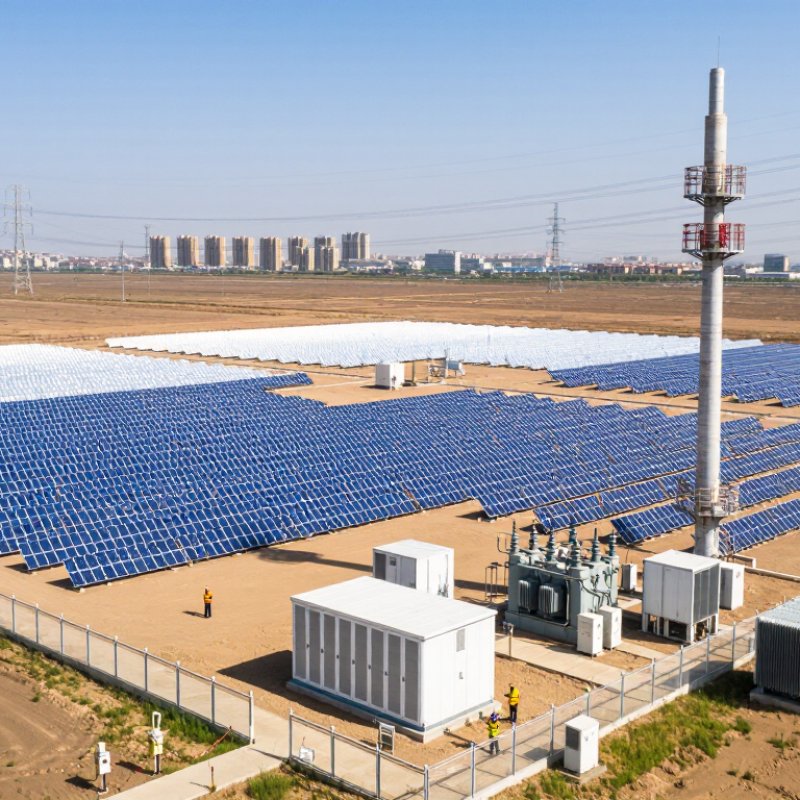
A grid-tied solar system converts sunlight into electricity and synchronizes it with a public power network. It usually includes photovoltaic modules, inverters, protection equipment, meters, and monitoring controls. Unlike an off-grid system, it does not normally depend on large batteries. Solar power serves nearby loads first, while surplus electricity flows into the grid. When production falls, the site imports electricity. The inverter must also disconnect during a grid outage, protecting repair crews from unintended energization.
Global demand is expanding quickly. The IEA PVPS Trends 2024 report recorded more than 400 GW of new photovoltaic capacity in 2023, lifting cumulative global capacity above 1.5 TW. This growth supports rooftop systems, industrial facilities, utility plants, schools, and remote commercial sites connected to local networks. Each application needs a different design. High-temperature regions require careful thermal planning. Weak grids may need voltage control, curtailment, or storage. In countries with limited net-metering access, self-consumption can matter more than export revenue.
Choosing a system is not only a panel comparison. Engineers should check local grid codes, fault levels, frequency limits, connection procedures, and protection settings. The IEA’s Electricity 2024 analysis also highlights rising flexibility needs as variable renewable generation increases. That warning deserves attention. A technically correct system may still perform poorly if forecasts, maintenance, or tariff assumptions are weak. Field conditions are less tidy than spreadsheets suggest. A small shading pattern, unstable voltage, or delayed approval can change the project’s economics. Practical monitoring and periodic verification remain essential.
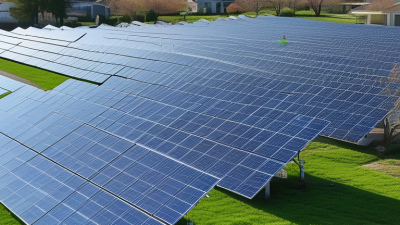
A reliable design begins with the site, not the equipment list. I have seen small roof defects create large installation delays. Inspect roof age, structural capacity, drainage, access, and nearby shading. Dust matters. Shadows move. Coastal air may accelerate corrosion, while high-altitude sites can reduce cooling efficiency. Record monthly temperatures, wind exposure, and seasonal weather before sizing the system. A clean spreadsheet can still hide a weak foundation.
Grid requirements vary between countries, utilities, and even project zones. Confirm the permitted voltage, frequency, phase arrangement, protection settings, and connection capacity. The system may need anti-islanding protection, reactive power control, power-factor support, and certified communication functions. Local utility documents should guide the design, but field engineers must verify actual conditions. Written standards are useful. They are not always complete. Transformer impedance, feeder limits, and planned grid upgrades can affect export performance.
Solar resource analysis should combine satellite data, ground measurements, and shading studies. Compare irradiation by month, not only by annual average. A site with strong sunlight may still produce poorly during its valuable demand season. Model module temperature, soiling losses, cable losses, inverter clipping, and availability. Include conservative assumptions for rainfall and maintenance access. I once reviewed a yield forecast that ignored morning shadows from a growing tree. The annual error looked modest, but winter losses were substantial. Good engineering leaves room for uncertainty, inspection, and correction.
How to Choose Grid Tied Solar Systems for Global Projects?
Selecting System Components for Regional Compatibility and Reliability
A grid tied solar system should fit the local grid, climate, and service conditions. Start with voltage, frequency, phase configuration, and the utility’s interconnection rules. In some regions, reactive power control and remote curtailment are mandatory. In others, anti-islanding protection receives closer inspection. Confirm these requirements before choosing the inverter.
Climate changes component selection. Hot rooftops can reduce inverter output and accelerate aging. Coastal sites need corrosion-resistant mounting hardware and sealed electrical enclosures. Dusty areas require careful ventilation and practical cleaning access. High-wind locations demand structural calculations based on local codes. Details matter. A beautiful design can still fail during a sandstorm.
Cables, connectors, surge protection, transformers, and monitoring equipment also need regional approval. Select components with documented testing, clear installation instructions, and accessible replacement parts. Local technicians should understand commissioning, fault diagnosis, and emergency isolation procedures. Test before shipping. A factory checklist helps, but it cannot replace site measurements. I have seen projects delayed because a connector standard differed from the installer’s tools. That mistake was preventable. Design teams should also review spare-parts storage, language requirements, and communication networks. No system is perfect. A reliable project leaves room for weather, human error, and changing grid conditions.
Typical low-voltage grid references show why inverter voltage and frequency settings must be matched to the target market. Local interconnection codes, protection requirements, and utility approval procedures should always be verified before system selection.
Choosing a grid-tied solar system for a global project requires more than comparing panel prices. In 2023, utility-scale solar PV reached a global weighted-average LCOE of about $0.044 per kWh, according to IRENA’s Renewable Power Generation Costs 2023. However, imported equipment, grid studies, land access, and currency changes can quickly alter the final cost. A low bid is not always a low-cost project.
Regulation is often the harder variable. Developers should verify interconnection rules, inverter certification, grid-code requirements, metering, and local content obligations before signing supply contracts. Requirements may differ between neighboring countries. They can even change during construction. That risk deserves a financial reserve. Safety planning must cover arc-flash exposure, isolation procedures, fire access, emergency shutdowns, and battery interfaces where storage is added. IEC standards provide a useful technical baseline, but local authorities still control approval.
Financing depends on predictable revenue and credible risk controls. The IEA reported more than $2 trillion in global clean-energy investment for 2024, showing strong capital momentum. Yet lenders still examine curtailment, payment security, debt currency, insurance, and the strength of the power-purchase agreement. Independent yield assessments and realistic degradation assumptions improve confidence. Some models remain too optimistic. A project may perform well under clear skies, then struggle with weak transmission or delayed permits. Field experience suggests that early grid consultation is cheaper than correcting a design after construction.
The comparison below is intended for preliminary screening of commercial and utility-scale grid-tied photovoltaic projects between approximately 100 kW and 5 MW. Cost figures are indicative 2024–2025 market ranges in USD and exclude land, taxes, battery storage, major transmission upgrades, and exceptional permitting costs.
| Market | Indicative Installed Cost (USD/Wdc) |
Typical Annual Yield (kWh/kWdc) |
Grid-Connection and Interconnection Considerations | Primary Regulatory and Technical References | Key Safety Requirements | Indicative Financing Profile | Main Project Risks | Recommended Selection Focus |
|---|---|---|---|---|---|---|---|---|
| United States | $0.90–$1.50 Commercial and utility projects; interconnection upgrades may be additional. |
1,300–1,900 Strongly dependent on latitude, tracking, and weather. |
Distribution or transmission interconnection studies are commonly required. Export limits, protection settings, power-quality tests, and utility approval can materially affect schedule and cost. |
IEEE 1547
NEC Article 690
UL 1741 Local utility interconnection rules and state permitting requirements also apply. |
Rapid-shutdown provisions where applicable, arc-fault protection, grounding and bonding, disconnect labeling, fire-access pathways, and qualified-worker procedures. |
Typical project debt tenor: 10–20 years. Debt share often: 60–80%. Strong projects may use tax incentives, power-purchase agreements, leases, or tax-equity-style structures. |
High: long interconnection queues in constrained areas, local permitting variation, curtailment, and changing incentive eligibility. | Secure the interconnection position early; confirm equipment certification, domestic-content rules where relevant, site-control rights, and the revenue contract before final design. |
| European Union | $0.80–$1.40 Wide variation between rooftop, brownfield, and utility-scale projects. |
900–1,700 Southern locations generally produce more energy than northern locations. |
Connection requirements are set by national and distribution-system operators. Protection coordination, voltage control, reactive-power capability, and smart-meter or remote-control requirements may apply. |
EU Network Codes
EN 50549
IEC 62446 National electrical codes, building permits, environmental rules, and distribution-operator procedures remain decisive. |
DC arc protection where required, fire-separation design, roof loading verification, emergency shutdown procedures, equipotential bonding, and documented commissioning tests. |
Typical project debt tenor: 12–20 years. Debt share often: 60–80%. Common structures include corporate PPAs, utility PPAs, merchant exposure, green loans, and infrastructure debt. |
Medium–High: permitting delays, grid congestion, negative-price periods, land-use restrictions, and country-specific market design. | Compare grid capacity, curtailment rules, auction or PPA terms, local fire standards, and the treatment of congestion before selecting the site. |
| China | $0.55–$0.95 Large-scale procurement can reduce equipment and construction costs. |
900–1,800 Desert, northern, central, and coastal regions have different solar resources and grid constraints. |
Projects may face provincial approval, quota or market-access procedures, utility connection studies, dispatch requirements, and curtailment exposure in congested regions. |
GB/T standards
IEC-based testing
National grid codes Provincial permitting, land-use approval, environmental review, and local grid-operator requirements must be checked. |
Fire-risk assessment, cable routing and insulation testing, lightning protection, grounding, inverter protection, construction safety, and grid-protection verification. |
Typical project debt tenor: 10–15 years. Debt share often: 65–80%. Financing may combine bank lending, utility-backed procurement, direct electricity sales, and market-based trading. |
Medium–High: regional curtailment, transmission bottlenecks, land classification, policy changes, and payment arrangements. | Prioritize grid hosting capacity, confirmed land status, dispatch conditions, equipment traceability, and realistic assumptions for curtailment and electricity settlement. |
| India | $0.55–$0.95 Costs vary with terrain, module sourcing, transmission distance, and project scale. |
1,300–2,000 High-yield areas can experience seasonal dust, heat, and monsoon effects. |
State-level approvals, open-access rules, wheeling charges, banking provisions, evacuation capacity, and state transmission or distribution utility requirements can significantly affect economics. |
CEA connectivity regulations
Indian Electricity Rules
BIS standards State electricity-regulatory orders and local utility procedures must be incorporated into the financial model. |
High-temperature derating, dust management, lightning protection, earthing, working-at-height controls, monsoon drainage, fire access, and electrical isolation procedures. |
Typical project debt tenor: 12–18 years. Debt share often: 65–75%. Common structures include long-term PPAs, open-access contracts, infrastructure loans, and blended domestic or international financing. |
Medium–High: land aggregation, payment delays, transmission availability, open-access charges, foreign-exchange exposure, and policy variation by state. | Verify the offtaker, payment-security package, land title, evacuation line, open-access approvals, and sensitivity to wheeling and transmission charges. |
| Australia | $0.80–$1.30 Remote locations and network upgrades can increase total project cost. |
1,400–2,200 Excellent solar resource in many regions, with output affected by heat and network constraints. |
Connection applications typically require detailed modelling of voltage, frequency response, fault contribution, protection, and export control. Network-service-provider approval is essential. |
AS/NZS 5033
AS/NZS 4777
National Electricity Rules State planning rules, workplace-safety law, and network-specific technical requirements also apply. |
Rooftop access control, DC isolator compliance, arc-fault and fire-risk management, high-voltage exclusion zones, lightning protection, and extreme-weather design. |
Typical project debt tenor: 10–18 years. Debt share often: 60–75%. Revenue may come from PPAs, contracts for difference, merchant sales, or renewable-energy certificate markets. |
High: weak-grid connection constraints, curtailment, remote logistics, network augmentation, and volatile wholesale prices. | Obtain a preliminary connection assessment before land acquisition; model export limits, curtailment, negative pricing, and network augmentation costs. |
| South Africa | $0.75–$1.30 Imported equipment, financing costs, and grid-connection distance can influence pricing. |
1,500–2,200 High irradiation is common, but dust and water availability affect operations. |
Grid studies, municipal or national utility approvals, wheeling arrangements, protection coordination, and transmission-capacity availability must be confirmed before financial close. |
NRS 097 series
SANS standards
Grid Code Municipal planning, environmental authorisations, land rights, and electricity-licensing requirements may apply. |
Arc-flash controls, earthing, lightning protection, anti-islanding, perimeter security, fire access, heat and dust management, and worker safety systems. |
Typical project debt tenor: 10–15 years. Debt share often: 60–75%. Bankability depends heavily on offtaker credit quality, currency, political-risk allocation, and payment security. |
High: grid capacity shortages, currency volatility, offtaker credit risk, permitting complexity, and transmission delays. | Require robust payment security, currency-risk protection, political-risk allocation, grid-capacity confirmation, and contingency for transmission or wheeling delays. |
Planning a grid tied solar project starts with local grid conditions, not panel capacity. Check voltage, frequency, phase balance, protection rules, and export limits before selecting equipment. A system designed for a 60 Hz network may fail on a 50 Hz connection. Confirm transformer ratings and utility approval requirements early. This prevents expensive redesigns after delivery.
Installation quality shapes long-term performance. Use weather-resistant enclosures, clear cable labels, and accessible isolation points. Record torque settings and insulation test results during commissioning. Grid connection should include anti-islanding protection, surge protection, and tested communication with the utility. Do not assume one installation method fits every climate. Coastal salt, desert dust, and freezing temperatures require different maintenance plans. I have seen projects focus heavily on generation forecasts while underestimating site access and replacement time.
Tips:
Request a complete monitoring demonstration before purchase. Track energy yield, alarms, grid faults, and inverter temperatures. Set practical service response targets and keep critical spare parts locally when possible. Review the data monthly, but question unusual results. A perfect dashboard can still hide a faulty sensor. Long-term support should include software updates, technician training, warranty procedures, and documented escalation contacts. Ask who will respond during holidays and remote-site emergencies. Small gaps in support can become large production losses.

If you’re replacing your roof and already have solar panels installed, you’ll likely need solar panel removal and reinstall during the process. When planned correctly,
Florida homeowners are seeing their power bills rise faster than ever. Between AI data centers, fuel costs, and storm-related grid upgrades, utilities are increasing rates

⏳Go Solar Before the Deadline Permitting in Pinellas County solar jurisdictions is already experiencing serious delays. Plan reviews are running 4+ weeks behind. That means

NABCEP Certified
PV Installer

Licensed &
Insured

Systems Engineered
For A 25 Year Life Cycle

Over 4 Megawatts
Of Solar Installed

Expert Service In The
Unlikely Event Of
An Issue
Florida Power Services
"The Solar Power Company"
Florida Power Services
"The Solar Power Company"
based on 62 reviews
Florida Power Services
"The Solar Power Company"
based on 33 reviews


Utility rates rise 4–6% every year. Solar converts that rising expense into an asset that can pay for itself, and once it’s paid off, your power is essentially free. Many property owners qualify with no money out of pocket.