
Solar Panel Removal and Reinstall for Roof Replacement in Florida
If you’re replacing your roof and already have solar panels installed, you’ll likely need solar panel removal and reinstall during the process. When planned correctly,

A dependable backup plan matters when the lights go out. In 2022, U.S. electricity customers experienced an average of 5.6 hours of power interruptions, including major events, according to the U.S. Energy Information Administration. That national figure cannot predict the next outage at a particular address. It does show why households and businesses should assess their own risks.
Backup Power Systems range from portable generators and home batteries to standby units designed for longer outages. The right choice depends on more than the advertised wattage. A refrigerator, medical device, sump pump, or server room each creates different demands. Fuel access, noise, installation, maintenance, and runtime matter, too. Small details count.
Energy analyst Amory Lovins, co-founder of the Rocky Mountain Institute, has said, “The cheapest energy is the energy you don’t use.” That principle is useful when planning backup power: reduce essential loads before paying to support every device. It is not a complete answer, though. Even careful estimates can miss a real-world need.
This guide compares 10 options for home and business use, with attention to capacity, runtime, practical features, and upkeep. It also considers where each system may fall short. No single unit fits every building. A quiet battery may suit an apartment, while a business with critical equipment may need a different setup. The best choice starts with a clear list of essential loads—and an honest look at what can wait.
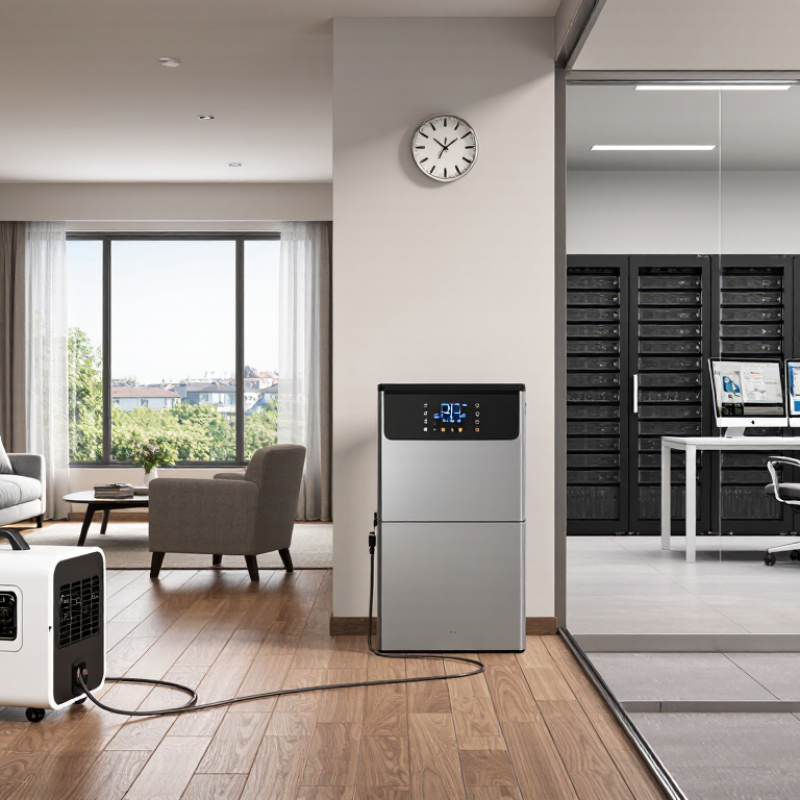
In 2022, U.S. electricity customers experienced an average of about 5.5 outage hours, according to the Energy Information Administration. The figure includes major events, such as severe storms, which can raise the yearly average. That is an average. Your neighborhood may see fewer interruptions—or far more.
Those hours matter when a refrigerator warms, a sump pump stops, or a home office loses internet during a deadline. A backup power system can keep selected essentials running, but its capacity must match the actual load. List the equipment you need, check its starting and running wattage, and estimate how long it must operate. A few lights and a router require much less power than heating equipment or a well pump.
Outage duration is uneven, and a national average cannot predict your next disruption. That part is easy to overlook. Choose a system around realistic priorities, not every appliance in the house. Battery systems can supply quiet power indoors when installed as directed; fuel-powered generators need safe outdoor placement and proper ventilation. I would leave room for uncertainty, too: outage records describe the past, while local conditions can change quickly.
The U.S. Energy Information Administration reported an average of 5.5 hours of electricity interruptions per customer in 2022, including major events. The system capacities and runtime descriptions below are representative ranges; actual performance depends on equipment, load, fuel supply, weather, and installation.
| Backup system type | Representative capacity | Typical backup duration | Power or recharge source | Suitable use and key consideration |
|---|---|---|---|---|
| Portable power station | About 0.5–3 kWh stored energy; commonly hundreds to a few thousand watts of output | Hours for small electronics; less time for high-wattage appliances | Recharge from a wall outlet, vehicle outlet, or compatible solar panels | Quiet, portable backup for phones, networking equipment, and small devices; limited stored energy. |
| Whole-home battery storage | Often around 5–30 kWh of storage per system, with output varying by configuration | Several hours to more than a day, depending on stored energy and household load | Grid charging; some systems can also charge from solar | Automatic, quiet backup for selected circuits or a properly sized home; requires suitable electrical installation. |
| Portable gasoline generator | Commonly about 2–10 kW | Can operate while fuel is available; refueling intervals depend on tank size and load | Gasoline | A relatively accessible option for essential loads; must be operated outdoors, away from doors and windows, because of carbon-monoxide risk. |
| Portable inverter generator | Commonly about 1–5 kW | Runs while fuel is available; runtime varies with tank size and electrical demand | Usually gasoline; some models support other fuels | Useful for lighter loads and portable applications; output is generally lower than larger conventional generators. |
| Dual-fuel portable generator | Often about 3–12 kW, depending on fuel and model | Can run as long as fuel is supplied; output and runtime differ by fuel | Typically gasoline and propane | Fuel choice adds flexibility during supply disruptions; observe safe fuel storage and outdoor-operation requirements. |
| Propane standby generator | Residential units commonly range from about 7–26 kW | Can provide extended backup while the fuel supply lasts | Stored propane; runtime depends on tank capacity and load | Automatically starts when configured with transfer equipment; requires professional installation and an adequate fuel supply. |
| Natural-gas standby generator | Residential units commonly range from about 7–26 kW | Potentially continuous during an outage if the gas service remains available | Utility natural-gas connection | Convenient automatic backup for homes or small facilities; depends on continued gas service and professional installation. |
| Commercial diesel generator | Commercial installations range from tens to hundreds of kW or more | Can support long outages with adequate stored fuel and maintenance | Diesel stored on site | Often used for larger facilities and critical loads; requires fuel management, maintenance, and compliance with applicable emissions rules. |
| Solar-plus-battery system | Solar arrays are commonly several kW; battery storage often ranges from about 5–30 kWh | Depends on battery size, sunlight, and energy use; solar may recharge batteries during an outage if the system is designed for backup | Solar panels and battery storage | Can reduce reliance on delivered fuel; backup operation requires compatible equipment and adequate solar conditions. |
| Uninterruptible power supply (UPS) | Commonly about 0.5–3 kVA for desktop and small-office applications | Usually minutes at substantial load; runtime increases as connected load decreases | Internal rechargeable battery; recharges from the grid | Bridges brief interruptions and allows safe shutdown of computers or network equipment; not intended for prolonged whole-building backup. |
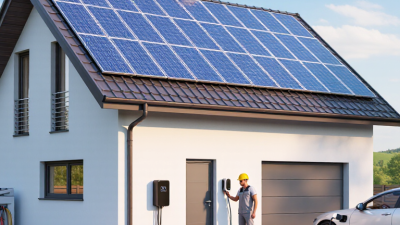
If you’re replacing your roof and already have solar panels installed, you’ll likely need solar panel removal and reinstall during the process. When planned correctly,
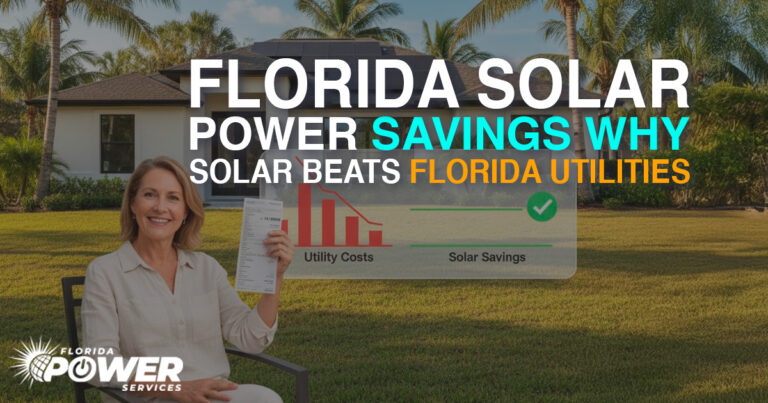
Florida homeowners are seeing their power bills rise faster than ever. Between AI data centers, fuel costs, and storm-related grid upgrades, utilities are increasing rates

⏳Go Solar Before the Deadline Permitting in Pinellas County solar jurisdictions is already experiencing serious delays. Plan reviews are running 4+ weeks behind. That means