What is Off Grid Solar Systems and How Do They Work?
Off Grid Solar Systems are an innovative solution for those seeking energy independence. Experts in the renewable energy field emphasize their significance. John Smith, a renowned solar energy consultant, states, “Harnessing the sun's power offers freedom from traditional energy grids.” This highlights the potential of off grid systems.
These systems operate independently, utilizing solar panels, batteries, and inverters to generate and store electricity. Users can power their homes, even in remote locations. They promise sustainability and reduce reliance on fossil fuels. However, some challenges persist. Initial setup costs can be high, and maintenance requires knowledge of solar technology.
Despite these hurdles, Off Grid Solar Systems remain attractive. They provide a way to access clean energy while promoting environmental responsibility. Transitioning to solar power leads to fewer energy bills and a smaller carbon footprint. Overall, the journey to sustainable living is not without its complexities. Yet, the payoff can be significant, marking a step towards a more sustainable future.
Definition of Off Grid Solar Systems
Off-grid solar systems are energy solutions that operate independently of the traditional electrical grid. These systems consist of solar panels, batteries, and inverters, enabling users to generate and store their electricity. According to the National Renewable Energy Laboratory, off-grid solar solutions can reduce reliance on fossil fuels and provide significant savings on electricity costs. In remote areas, where grid access is limited, off-grid systems offer a reliable energy source.
When installing an off-grid solar system, consider your energy needs carefully. A typical household requires between 5,000 and 10,000 watts per day. It’s crucial to size the system accordingly. For instance, using energy-efficient appliances can lower your overall energy consumption. Additionally, regular maintenance is necessary to ensure optimal performance, including cleaning solar panels and checking battery health.
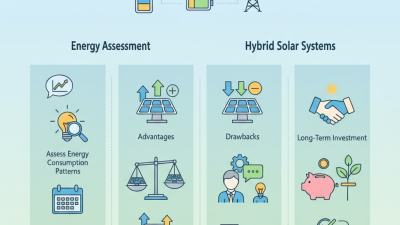
Be aware that off-grid systems can have higher upfront costs. It is essential to evaluate your long-term savings against the initial investment. Many people underestimate maintenance needs too. Remember to assess weather patterns in your area; consistent sunlight is vital for efficiency. Ultimately, an off-grid solar system can be a sustainable energy solution, but thoughtful planning is key.
Off Grid Solar Systems: Energy Production vs Consumption
This bar chart illustrates the monthly production and consumption of energy in an off-grid solar system. The data shows that energy production generally exceeds consumption, which is essential for maintaining an independent energy supply.
Components of Off Grid Solar Systems
Off-grid solar systems are designed to operate independently of the traditional utility grid. Central to these systems are several key components that ensure they function effectively. First, solar panels capture sunlight and convert it into electricity. The efficiency of these panels can vary, influenced by factors such as location and installation angle. Maximizing sunlight exposure is crucial for optimal performance.
Batteries are another essential element. They store energy generated by solar panels for use during cloudy days or at night. Their capacity and lifespan are critical considerations for off-grid users. A poorly chosen battery can lead to premature system failure. Charge controllers regulate the flow of electricity, preventing battery overcharging. This component is often overlooked but is vital for system longevity.
Inverters play a crucial role in off-grid systems by converting direct current (DC) from solar panels and batteries into alternating current (AC), the form needed for most appliances. Users must select the right inverter size to meet their energy needs. It’s also essential to consider maintenance. Regular checks can help improve efficiency and extend lifespan. Each component's selection and management reflect the user's needs and goals.
How Off Grid Solar Systems Generate Power
Off-grid solar systems function by harnessing sunlight to produce electricity. They operate independently from the traditional power grid, making them essential for remote locations. The solar panels collect sunlight and convert it into direct current (DC) electricity. This process relies heavily on the efficiency of the solar cells used. Higher efficiency means more power generation from the same amount of sunlight.
After conversion, the DC electricity flows to an inverter. The inverter plays a critical role by transforming DC into alternating current (AC), which is usable for most home appliances. A battery storage system is also involved. It stores excess power generated during sunny days for use during cloudy weather or at night. The relationship between generation and storage is complex. Users must balance their consumption to avoid running out of power.
There can be challenges, though. Weather, seasonal changes, and geographic location significantly impact energy production. Oversizing or undersizing the system can lead to inefficiencies. Regular maintenance is needed to ensure the solar panels operate at peak performance. Off-grid systems offer a unique solution, but they require careful planning and consideration. Users need to be proactive about their energy needs and usage patterns.
Benefits of Using Off Grid Solar Systems
Off-grid solar systems provide an alternative energy solution, separating users from traditional power grids. One of the primary benefits of these systems is energy independence. By generating their own electricity, users are less affected by rising utility rates. This control over energy sources can lead to substantial savings over time, especially for those living in remote areas.
Another significant advantage is environmental sustainability. Off-grid systems utilize solar power, a renewable resource, minimizing reliance on fossil fuels. This shift can reduce carbon footprints significantly. Additionally, off-grid solar systems can often be installed in locations where connecting to the grid is impractical. However, they do require careful planning and installation, ensuring that energy needs align with solar capabilities.
There are challenges to consider, though. For instance, energy output is dependent on sunlight availability, which means storage solutions are necessary for cloudy days. Users must reflect on their energy consumption habits and prepare for variations in energy production. Overall, off-grid solar systems offer a pathway to independence and sustainability, but they also demand thoughtful consideration of personal energy needs and resource management.
Considerations for Installing Off Grid Solar Systems
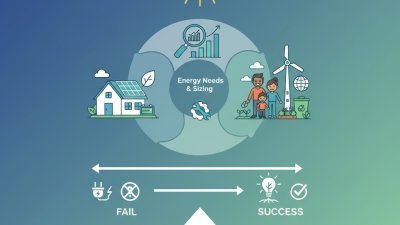
When considering the installation of off-grid solar systems, understanding unique factors is essential. These systems provide independence from the traditional energy grid. However, they also come with challenges. One critical factor is the location. Sunlight availability varies by region. Certain areas receive less sunshine, impacting efficiency and energy production. Nearly 30% of solar energy projects fail due to poor site selection, according to industry data.
Another important consideration is system sizing. Proper calculations are crucial for assessing energy needs. Oversizing can lead to unnecessary costs, while undersizing may cause performance issues. A well-designed system typically includes solar panels, batteries, and an inverter. Each component must meet the energy demands of the household. Reports indicate that nearly 25% of users underestimate their energy consumption, leading to inadequate setups.
Maintenance is also a factor many overlook. Regular upkeep is necessary to maximize efficiency. Dust and debris can significantly reduce output. It's essential to understand local weather impacts over time. For example, systems in dusty regions may require more frequent cleaning, while areas with heavy snow need different installations. These considerations can help ensure a successful solar experience.
What is Off Grid Solar Systems and How Do They Work? - Considerations for Installing Off Grid Solar Systems
| Dimension |
Details |
| System Type |
Off Grid Solar System |
| Components |
Solar panels, Charge controller, Battery bank, Inverter |
| Advantages |
Energy independence, Reduced electricity bills, Environmental benefits |
| Disadvantages |
Higher initial cost, Maintenance requirements, Limited power supply |
| Battery Types |
Lead Acid, Lithium-ion, AGM |
| Sizing Considerations |
Daily energy consumption, Peak load requirements, Autonomy days |
| Installation Factors |
Location, Roof orientation, Shade analysis |
| Cost Range |
$15,000 - $40,000 for complete system |
| Incentives |
Tax credits, Grants, Rebates available in various regions |