
Why Choose a Water Based Gel Coating Machine?

Choosing the right coating equipment affects product quality, operating costs, and daily production stability. A Water-Based Gel Coating Machine is designed for manufacturers seeking controlled application with lower solvent exposure. It supports gel, adhesive, and functional coating processes across suitable films, papers, foils, and other substrates. The exact result depends on viscosity, drying capacity, coating width, and line speed.

That detail matters.

In practical production, operators often value consistent coating thickness more than impressive output figures. A stable machine can reduce streaks, uneven edges, material waste, and repeated adjustments. Precise pumps, responsive tension control, and adjustable drying zones help maintain a reliable coating layer. Water-based formulations may also support a cleaner workplace and simpler ventilation planning, although they still require proper handling and drying control.

Real performance must be verified.

Manufacturers should review trial samples before making a purchase. A small change in gel temperature can affect flow and surface appearance. Humidity may extend drying time, while excessive heat can damage sensitive substrates. These limitations are easy to overlook. They deserve honest evaluation.

Equipment suppliers with documented testing, clear maintenance guidance, and accessible technical support offer stronger long-term value. Buyers should compare energy use, cleaning procedures, spare parts, and operator training. A Water-Based Gel Coating Machine is not automatically the best choice for every factory. However, when its specifications match the formulation and production goals, it can provide repeatable coating quality, safer working conditions, and more dependable process control.
Why Choose a Water Based Gel Coating Machine?

What Is a Water-Based Gel Coating Machine? Components and Process Stages

A water-based gel coating machine applies a gel formula evenly across film, fabric, paper, or another prepared surface. It uses water as the primary carrier, so operators often benefit from easier cleaning and lower solvent exposure. These benefits depend on the formula, ventilation, and drying conditions.

The machine usually includes a mixing tank, agitator, transfer pump, filter, coating head, conveyor, drying chamber, and control panel. The tank keeps the gel uniform before application. The filter removes unwanted particles. The coating head then spreads a measured layer across the moving material. Small changes matter.

The process begins with formula preparation and controlled mixing. The operator checks viscosity, temperature, and solids content before filling the supply system. The pump feeds the gel through the filter to the coating head. After coating, the material passes through leveling and drying stages. Warm air removes moisture gradually, while the conveyor controls exposure time. Final inspection checks thickness, surface smoothness, adhesion, and visible defects.

In practical production, stable viscosity is essential. I have seen a minor viscosity drift create streaks near the coating edge. That issue may come from temperature, pump pressure, or an imperfect filter setting. Regular checks help, but they do not replace operator judgment. Water-based systems can support cleaner handling, yet they may require longer drying and careful humidity control.

Why Choose a Water-Based Gel Coating Machine?

Typical operating temperature windows across the main stages of a water-based gel coating process.

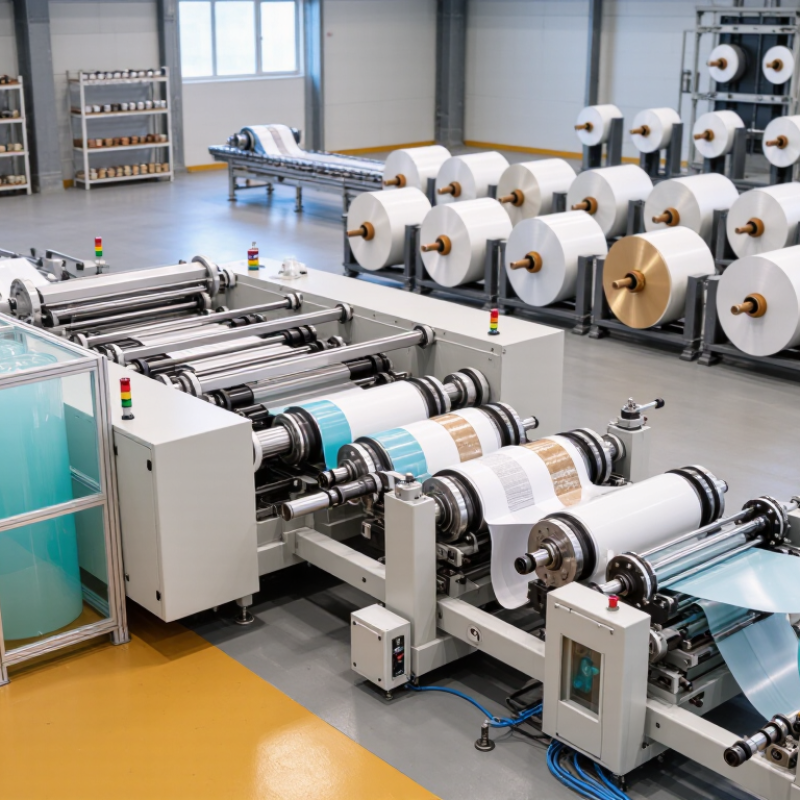
A water-based gel coating machine generally includes a material tank, agitator, pump, metering system, coating head, conveyor, and drying section. Water is used as the primary carrier, while binders, pigments, fillers, and functional additives form the coating system. The actual temperature and residence time depend on the resin chemistry, substrate, coating thickness, and production speed.

Why Can It Cut VOCs by 50–90% Compared with Solvent-Based Systems?

Why Choose a Water Based Gel Coating Machine?

Why Can It Cut VOCs by 50–90% Compared with Solvent-Based Systems?

Water-based gel coatings can sharply reduce volatile organic compound emissions. The actual reduction depends on formulation, film thickness, drying temperature, and production speed. In controlled applications, operators often report reductions of 50–90% compared with solvent-based systems. The U.S. Environmental Protection Agency identifies solvent evaporation as a major VOC source in coating operations. Its AP-42 emission-factor guidance supports measuring solvent use instead of relying on assumptions.

The European Commission’s Surface Treatment BREF also highlights solvent management as a key environmental control. A water-based machine helps because the carrier is mainly water, not organic solvent. Picture a coating line releasing less solvent odor near the curing zone. Workers may notice the difference first. However, water-based systems are not automatically zero-VOC. Additives, coalescing agents, and cleaning chemicals still matter. This is where many claims become too optimistic.

Tips: Measure VOC input per coated square meter before changing equipment. Record coating weight, oven temperature, drying time, and reject rates. Use local exhaust ventilation and verify results with laboratory testing. A 90% reduction may be possible in one line, but another line may achieve only 50%. That limitation deserves honest review. EPA AP-42, Compilation of Air Pollutant Emission Factors; European Commission, Best Available Techniques Reference Document for Surface Treatment Using Organic Solvents.

How Does Controlled Metering Achieve 60–90% Coating Transfer Efficiency?

A water based gel coating machine uses controlled metering to place a measured film on the substrate. This process supports cleaner production and more consistent coating weight. Instead of flooding the roller, the machine regulates gel volume before contact. Less excess material returns to the system.

A metering roller, blade, or calibrated gap controls the wet film thickness. Nip pressure keeps the gel spread evenly across the working width. When viscosity, roller speed, and substrate tension remain stable, transfer efficiency can reach approximately 60–90%. The actual result depends on the gel formulation and surface condition. Small changes matter. A rough substrate may absorb more gel, while excessive pressure can force material away from the coating zone.

In production checks, operators should compare coating weight before and after drying. Visual inspection alone can miss thin areas near edges. Line speed also deserves attention. Moving too quickly may create skips, while slower speeds can increase buildup. Water temperature and mixing time should remain consistent. Even with accurate metering, the target is not automatic. Real equipment often needs several adjustments during startup. That imperfect stage can reveal useful information about pressure, viscosity, and transfer behavior. Recording these changes improves repeatability and helps reduce material waste.

How Is Quality Tested Using ASTM D3359 and 20–100 μm Film Thickness?

Why Choose a Water Based Gel Coating Machine?

A water based gel coating machine can hold a steadier film at 20–100 μm. That range is practical for many protective and decorative layers. Global coatings industry data reports annual demand above 100 million tonnes, with waterborne systems gaining wider use because they reduce solvent emissions. Consistent application still depends on speed, viscosity, nozzle pressure, and drying conditions.

ASTM D3359-23 evaluates coating adhesion using a cross-cut or X-cut and pressure-sensitive tape. The result uses a 0B–5B classification. A 5B rating shows no coating removal, while 0B indicates severe failure. Film thickness is measured separately, often with methods described in ASTM D7091 or ISO 2808. The 20–100 μm target should be recorded as dry film thickness unless the test plan states otherwise.

The cut matters. Operators should condition coated panels before testing. Surface cleaning, curing time, tape pressure, and cutting depth can change the result. A coating may pass at 100 μm but crack at 20 μm. Small errors grow. In production trials, measure several points across each panel, not only the center. The first reading is not always right. ASTM D3359 is useful, but it cannot explain every failure. Poor wetting, trapped moisture, or uneven substrate texture may still need investigation. That weakness deserves attention.

Why Choose a Water Based Gel Coating Machine? - How Is Quality Tested Using ASTM D3359 and 20–100 μm Film Thickness?

Quality or Process Dimension Typical Target or Range How It Is Evaluated Why It Matters for Water-Based Gel Coating
Coating type Water-based gel or gel-like coating formulated with water as the primary carrier Verify formulation documentation, solids content, viscosity, pH, and compatibility with the substrate Reduces reliance on high levels of volatile organic solvents and supports easier cleanup with water when the formulation permits
Wet-film application thickness Set according to the formulation and drying requirement; the final dry-film target is 20–100 μm Use a calibrated wet-film gauge during application and confirm the dry film after conditioning Helps maintain consistent coverage without excessive material use, sagging, cracking, or extended drying time
Dry-film thickness 20–100 μm, depending on the product specification and substrate Measure at multiple locations using a suitable calibrated coating-thickness method, such as microscopy or an appropriate electronic gauge Uniform thickness improves appearance, protection, adhesion consistency, and repeatability between production batches
Thickness uniformity Recommended production limit: define a project-specific tolerance around the nominal value, such as ±10% Take readings at the center, edges, and other critical areas; calculate the average and range Detects nozzle instability, uneven web speed, poor leveling, substrate variation, or incorrect pump settings
ASTM D3359 adhesion test Use ASTM D3359 Method B for suitable relatively thin coatings; select the test configuration according to the coating and substrate Condition the coated panel, make the prescribed cuts, apply and remove pressure-sensitive tape, then visually rate coating removal Provides a standardized comparative indication of how strongly the dry coating adheres to the substrate
ASTM D3359 adhesion rating Preferred project acceptance is commonly specified as 4B or 5B, subject to customer requirements 5B: 0% removal; 4B: less than 5% removal; 3B: 5–15%; 2B: 15–35%; 1B: 35–65%; 0B: more than 65% A higher rating generally indicates better resistance to lifting after the standardized cross-cut and tape procedure
Surface preparation Clean, dry, and sufficiently prepared substrate; the exact preparation depends on substrate type Record cleaning process, surface profile where relevant, visible contamination, and substrate condition before coating Adhesion results can be strongly affected by oil, dust, moisture, weak oxide layers, or inadequate surface preparation
Drying and conditioning Use a controlled temperature, relative humidity, and conditioning time specified by the coating system Document environmental conditions and allow the coating to reach the specified test condition before measuring thickness or adhesion Water evaporation and film formation are sensitive to humidity, temperature, airflow, and drying time
Viscosity control Maintain the formulation supplier’s specified viscosity range at the stated test temperature Measure with a suitable calibrated viscometer and record temperature, spindle or cup type, and test time where applicable Viscosity affects pumpability, atomization or coating flow, leveling, wet thickness, and edge coverage
Machine application control Control coating flow, line speed, applicator gap or pressure, and drying conditions according to the process specification Run a trial panel, measure thickness at several points, and adjust one process variable at a time Repeatable machine settings reduce operator variation and make quality deviations easier to trace
Visual appearance Continuous film without visible pinholes, craters, runs, blistering, severe orange peel, or uncoated areas Inspect under consistent lighting and compare with an approved visual reference or defect limit sample Appearance defects may indicate poor wetting, foam, contamination, excessive thickness, or unsuitable drying conditions
Result reporting Record substrate, coating batch, dry-film thickness, environmental conditions, test date, test method, and rating Use a controlled inspection record with calibration status and individual measurement results Traceable records support process improvement, customer approval, and comparison of coating trials
Testing note: ASTM D3359 is a comparative adhesion test. The final acceptance criteria should be agreed with the coating and substrate specification, because results can be influenced by substrate preparation, coating thickness, curing or drying conditions, cutter selection, and operator technique.

How Should Buyers Compare Throughput, Drying Energy, Maintenance, and ROI?

A water based gel coating machine deserves evaluation beyond its advertised production speed.
Buyers should measure usable throughput, not the number shown in a brochure. Record coated meters per minute, changeover time, and rejected rolls during a normal shift. A line producing 80 meters per minute may deliver less output after cleaning and viscosity adjustments. Real factory data matters.

Drying energy can decide operating cost. Water usually requires controlled heat and airflow to remove moisture consistently. Ask for energy use per coated kilogram, not only heater capacity. Check exhaust temperature, tunnel length, and heat recovery options.

A simple trial with your actual substrate can reveal curling, blocking, or slow drying. Small details matter. However, energy estimates are often optimistic when humidity changes or the dryer runs below capacity.

Maintenance should be judged by access, cleaning time, and replacement intervals. Operators need clear paths to inspect pumps, filters, nozzles, and doctor blades. A machine that stops for two hours each week may erase its throughput advantage. Calculate annual labor, spare parts, waste, and downtime before accepting a payback claim. Include training and utility upgrades.

ROI is not just purchase price divided by profit. It also depends on stable quality, fewer rejected batches, and the machine’s working life. I would request logged test results, service records, and a reference installation using similar materials. Even then, assumptions deserve challenge; a promising trial may not represent twelve months of production.

Stop Paying More for Power

Utility rates rise 4–6% every year. Solar converts that rising expense into an asset that can pay for itself, and once it’s paid off, your power is essentially free. Many property owners qualify with no money out of pocket.