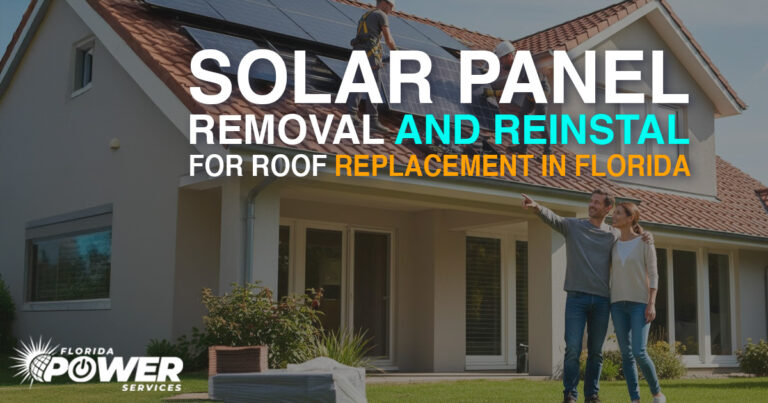
Solar Panel Removal and Reinstall for Roof Replacement in Florida
If you’re replacing your roof and already have solar panels installed, you’ll likely need solar panel removal and reinstall during the process. When planned correctly,

A New Energy Car Production Line is more than a row of robots and bright assembly lights. It connects battery installation, body welding, paint, final assembly, inspection, and data systems into one working operation. The manufacturers behind these lines must coordinate equipment, software, and factory layouts with care. Small details matter. A poorly placed inspection station can slow an entire shift, while a clear battery-handling process can improve consistency and protect product quality.
This guide introduces leading manufacturers and the capabilities buyers should examine before choosing a partner. It considers automation, production flexibility, integration support, quality control, and experience with electric-vehicle manufacturing. Those details help distinguish a polished presentation from a practical factory solution. Buyers should also ask for evidence: comparable project references, commissioning plans, training arrangements, and measurable performance targets. No supplier is perfect. A system that suits a high-volume factory may not fit a smaller operation or a changing product range. That is not enough. Cost, delivery schedules, maintenance needs, and future expansion deserve equal attention. Some specifications may look impressive on paper but prove difficult to verify in daily production. This overview offers a grounded starting point, not a substitute for technical due diligence. Careful questions, site visits, and independent review can reveal what brochures leave out.
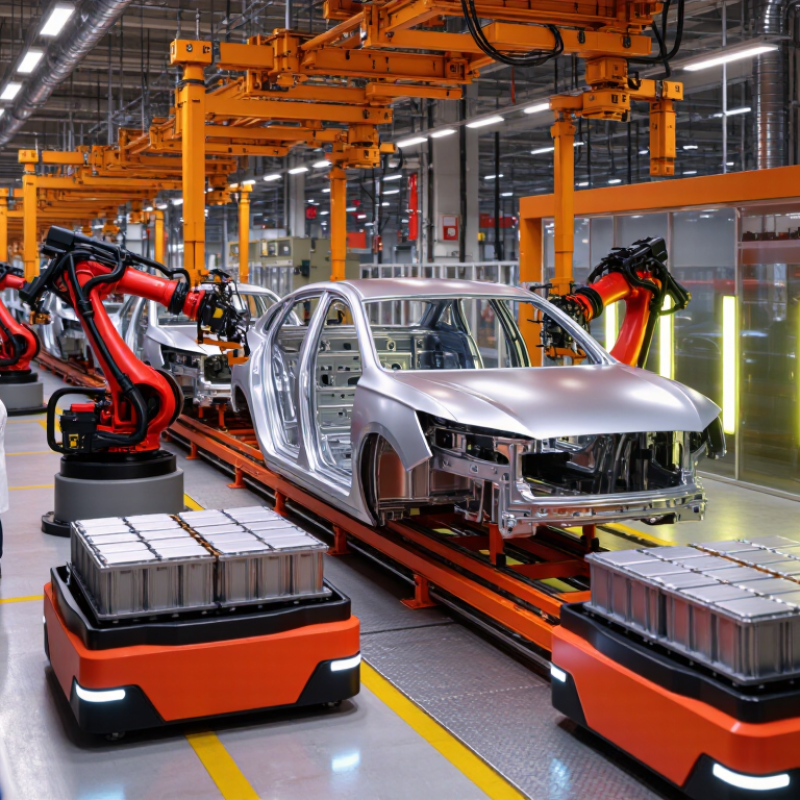
New energy vehicle production line manufacturers turn a vehicle design into a repeatable factory process. They study the body structure, target output, floor space, and available utilities before proposing equipment. That groundwork matters. A line for compact passenger cars may need different fixtures and material flow than one for larger vehicles.
Their work often includes process layout, assembly stations, conveyor systems, robotic joining, inspection tools, and production data systems. For electric vehicles, they also plan battery-pack handling areas, controlled lifting, electrical isolation procedures, and checks for fit, fastening, and connection quality. The exact setup depends on the vehicle and factory. Manufacturers may integrate equipment from multiple suppliers, then commission the line, train operators, and help tune cycle times. A neat simulation is useful, but real parts can behave differently. That gap deserves attention.
Tips: Ask for a sample process plan, measurable output assumptions, changeover details, and acceptance tests. Check how faults are logged and how operators reach service points. Visit an operating line if possible. Small access problems become daily delays.
| Production Area | Typical Manufacturer Scope | Common Equipment or Systems | Typical Output or Quality Check | Key Integration Consideration |
|---|---|---|---|---|
| Body-in-white | Plan and integrate processes for joining stamped body panels and structural parts into a vehicle body. | Robotic welding cells, fixtures, material handling, joining equipment, and dimensional inspection systems. | Assembled body structure; checks may include weld quality, dimensions, and joining consistency. | Fixture accuracy, body geometry, safety systems, and coordination between automated cells. |
| Paint shop | Provide or integrate surface preparation, coating, curing, and material-handling processes. | Cleaning and pretreatment systems, paint booths, application equipment, ovens, and conveyor systems. | Coated body; inspections commonly address film appearance, coverage, and surface defects. | Ventilation, process conditions, environmental controls, and compatibility with the body and coating materials. |
| Battery pack assembly | Integrate operations for assembling battery modules or cells into packs, subject to the vehicle design. | Cell or module handling, fastening and joining tools, dispensing equipment, electrical test stations, and traceability systems. | Battery pack assembly; checks may include electrical connections, insulation, leak integrity where applicable, and data recording. | Cell and pack design, electrical safety, process traceability, and controlled handling of battery components. |
| E-drive assembly | Develop assembly and test processes for electric drive components such as motors, gearboxes, and drive units. | Pressing and fastening equipment, precision assembly stations, balancing equipment, and drive-unit test stands. | Assembled drive unit; tests may evaluate function, noise or vibration, and electrical or mechanical performance. | Component tolerances, cleanliness, calibration, and alignment with the vehicle’s drive-system configuration. |
| General assembly | Coordinate installation of the interior, wiring, glazing, chassis components, battery, and other vehicle systems. | Conveyors, lift assists, fastening tools, guided workstations, and production execution systems. | Completed vehicle assembly; stations record installation and fastening results where the system is configured to do so. | Workstation sequence, ergonomic access, part supply, variant management, and synchronization across line segments. |
| End-of-line testing | Integrate checks that verify vehicle functions and identify issues before release from the production process. | Diagnostic systems, electrical safety testers, wheel-alignment equipment, brake testers, and water-leak test facilities. | Recorded inspection and test results; checks depend on the vehicle design and applicable production requirements. | Test coverage, repeatable procedures, calibration, data traceability, and a defined process for handling failures. |
| Factory automation and controls | Connect equipment, line controls, production data, and material flow across manufacturing areas. | Programmable controllers, industrial networks, sensors, supervisory systems, and manufacturing execution software. | Equipment status, production records, alarms, and process data used for monitoring and troubleshooting. | Interoperability, cybersecurity, data ownership, maintenance access, and consistent interfaces between systems. |
| Engineering and commissioning | Translate production requirements into line layouts, equipment specifications, installation, testing, and start-up support. | Process planning tools, simulation, equipment documentation, commissioning plans, and operator training materials. | An installed and validated production system prepared for the agreed operating conditions and product mix. | Clear acceptance criteria, realistic ramp-up plans, worker training, and coordination with the vehicle program schedule. |
If you’re replacing your roof and already have solar panels installed, you’ll likely need solar panel removal and reinstall during the process. When planned correctly,
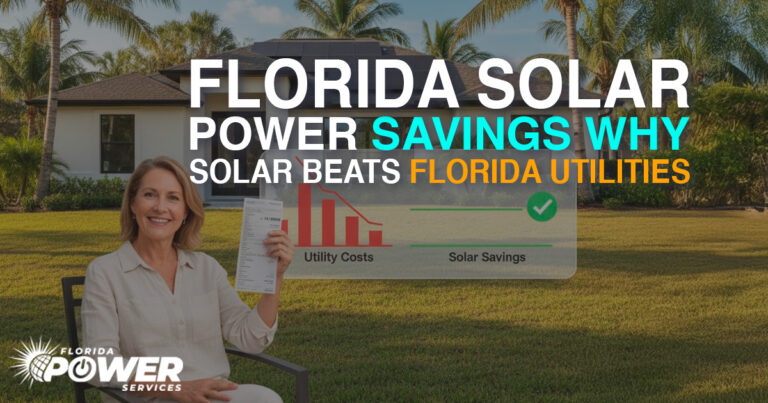
Florida homeowners are seeing their power bills rise faster than ever. Between AI data centers, fuel costs, and storm-related grid upgrades, utilities are increasing rates

⏳Go Solar Before the Deadline Permitting in Pinellas County solar jurisdictions is already experiencing serious delays. Plan reviews are running 4+ weeks behind. That means