How to Choose the Best Eco-Bike for Sustainable Transportation?
As urban areas grow, sustainable transportation becomes essential. Eco-Bikes are emerging as a practical solution. Bringing together innovation and environmental consciousness, they represent a shift in how we approach commuting. According to Dr. Anne Becker, a leading expert in sustainable transportation, "Eco-bikes are not just a trend, they're a necessity for our future."
Choosing the best Eco-bike can seem daunting. With various models available, understanding your needs is crucial. Features such as battery life, weight, and design impact performance. It's important to focus not only on aesthetics but also on functionality. A reliable Eco-bike should balance comfort and efficiency, promoting frequent use.
While many brands promise sustainability, not all deliver. Researching materials and production processes can reveal the truth behind claims. Look for certifications or customer reviews. The journey to finding the right Eco-bike may involve some trial and error. However, the right choice can significantly enhance your daily commute while supporting a greener planet. Embrace the challenge; the environment will thank you.
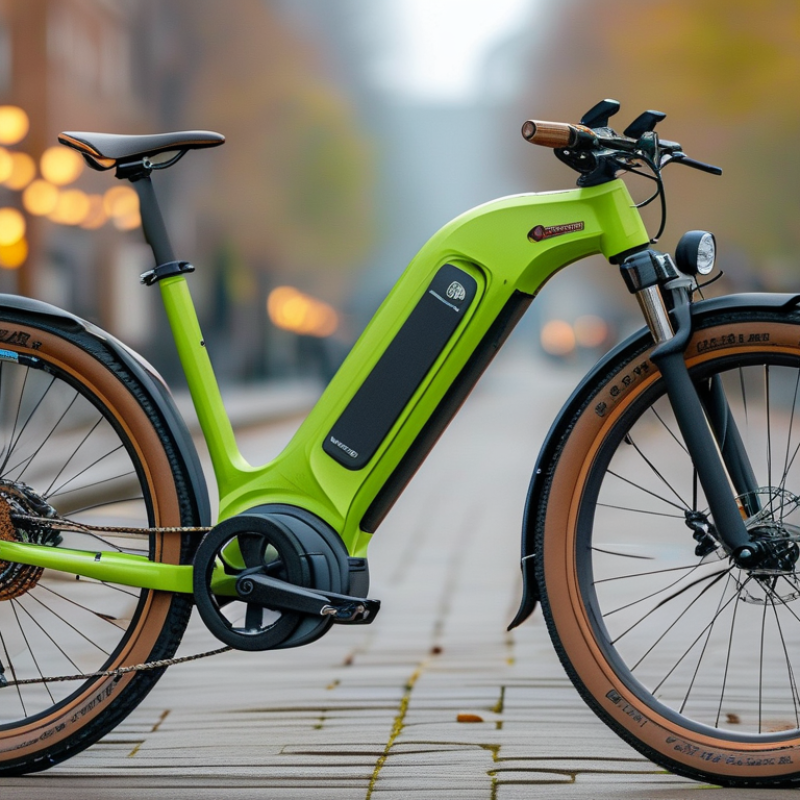
Understanding Eco-Bikes: Types and Technologies Explained
Choosing the right eco-bike can feel overwhelming. Understanding the types and technologies will empower you. Electric bikes, for example, have a battery that assists with pedaling. They are perfect for longer distances. On the other hand, pedal-powered bikes are lightweight and can improve fitness. Each type supports sustainable transportation differently.
Consider these tips when making your choice. Test ride various models to feel their performance. Pay attention to the weight and comfort. A bike that feels good to ride will encourage you to use it more. Don't overlook the importance of maintenance. An eco-bike will need care to stay efficient.
Battery technology plays a significant role in electric bikes. Lithium-ion batteries are common but can degrade over time. Regularly check the battery health to ensure longevity. Educate yourself on regenerative braking systems. These can extend battery life by capturing energy during stops. Not all bikes feature this, so do your research.
Assessing Your Transportation Needs for Sustainable Choices
Assessing your transportation needs is crucial when choosing an eco-bike. Think about your daily commute. Are you traveling short distances or navigating longer routes? Consider the type of terrain you’ll encounter. Will you ride on smooth streets or off-road trails? Knowing these details will help you select a bike that matches your lifestyle.
Tips: Test rides can reveal a lot. Pay attention to how the bike feels, especially in terms of comfort and handling. Invite friends to join you in exploring different models. Their experiences might shed light on aspects you hadn’t considered.
Another point to reflect on is storage. Do you need to carry groceries, or will you use the bike mainly for solo rides? Check the bike's carrying capacity. This detail could impact your decision. Sometimes, larger or heavier bikes feel sturdy but can be cumbersome. Make sure to weigh the pros and cons based on your unique needs.
Key Features to Consider When Choosing an Eco-Bike
When selecting an eco-bike, consider key features that suit your lifestyle. The frame material affects weight and durability. Lightweight materials like aluminum are easier to handle. However, a sturdy steel frame offers longevity. Think about your commuting distance and terrain when making your choice.
Battery efficiency is crucial for electric bikes. A higher capacity battery can provide longer rides between charges. Choose a bike with a range that fits your daily needs. Also, check the charging time. An efficient bike can save you time on busy mornings.
Comfort and fit are often overlooked. A properly fitted bike reduces strain during rides. Features like adjustable seats and handlebars enhance comfort. Test different models to see what feels right. Remember that a good eco-bike should align with your preferences and lifestyle.
Key Features of Eco-Bikes for Sustainable Transportation
This chart illustrates the key features to consider when choosing an eco-bike for sustainable transportation, comparing various attributes such as Battery Life, Weight, Range, Price, and Design.
Evaluating Eco-Bike Sustainability: Materials and Production Impact
When evaluating eco-bikes, it's vital to consider the materials and production processes involved. Recycled materials are often a good choice. They reduce waste and energy consumption. Research shows that using recycled aluminum can cut energy use by up to 95%. This significant reduction highlights the importance of material selection.
Production methods also play a crucial role in sustainability. Many eco-bikes are manufactured using sustainable practices, minimizing carbon footprints. For instance, companies adopting renewable energy sources can reduce emissions by approximately 30%. However, not all manufacturers disclose their energy sources or production methods, which creates uncertainty for consumers.
It's essential to ask questions. What materials were used? What kind of energy powered the factory? Transparency is key to truly understanding a bike's environmental impact. While many eco-bikes boast sustainability, the full picture often remains hidden. Consumers may need to dig deeper to ensure they make responsible choices.
Cost versus Benefits: Making a Sustainable Investment in Eco-Bikes
When considering an eco-bike, cost and benefits often come into play. The initial investment can seem high compared to traditional bikes. Yet, looking long-term reveals the financial advantages. Reduced maintenance and fuel costs contribute to savings over time. Additionally, eco-bikes typically have longer lifespans, meaning your investment may pay off sooner than expected.
Sustainable transportation offers more than just savings. By choosing an eco-bike, you contribute to a cleaner environment. This positive impact is hard to quantify but is invaluable. However, some may overlook the importance of researching bike specifications. Not all eco-bikes are suited for every terrain or purpose. Understanding your needs is crucial to avoid regret later.
While many eco-bikes promise efficiency, their actual performance can vary. Users often report discrepancies between expectation and reality. It’s vital to analyze user reviews and expert insights. This will help in making an informed decision. Sustainability isn't just a trend; it's a commitment. Balancing cost against potential environmental benefits can lead to a more sustainable lifestyle choice.