How to Choose the Best Stackable Battery for Your Needs?
In today's world, choosing the right Stackable Battery can be challenging. The demand for efficient energy storage solutions has risen sharply. According to a report by Statista, the global energy storage market is projected to reach 620 billion by 2027. Experts emphasize the significance of understanding your specific needs before making a purchase.
Chris Johnson, a renowned battery technology expert, once stated, "Selecting the right stackable battery can determine your energy efficiency and cost-effectiveness." This highlights the importance of thoughtful consideration. Stackable Batteries offer flexibility and scalability, but not all options are created equal. Factors like capacity, material, and design play crucial roles in their performance.
When venturing into this market, it is crucial to do thorough research. The wrong choice can lead to inefficiencies and increased costs. Not every Stackable Battery will meet your requirements. Therefore, examining specifications and consulting with professionals is advisable. Remember, the right battery could save money and enhance energy management in the long run.
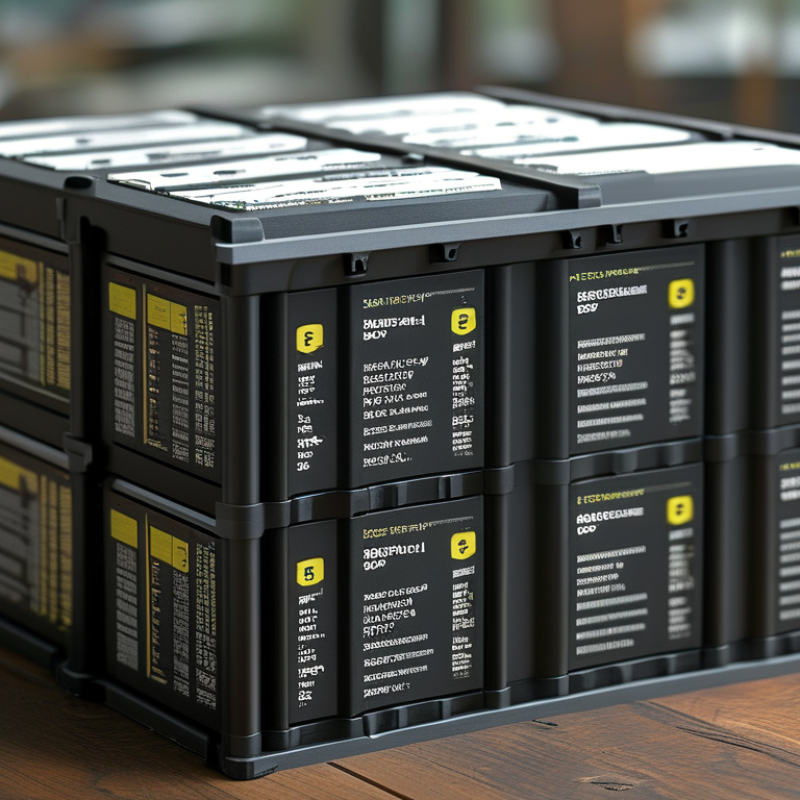
Understanding Stackable Batteries and Their Applications
Stackable batteries are versatile energy solutions used in various applications, from residential solar systems to electric vehicles. Their compact design allows multiple units to be combined, optimizing space and energy storage. Understanding these batteries involves recognizing their chemistry, capacity, and discharge rates. Each application may demand different specifications, making knowledge essential.
When choosing a stackable battery, consider its capacity. A higher capacity means longer usage without recharging. For example, a battery with 10kWh can power small appliances for an entire day. Assess your daily energy consumption to find the right fit. Another critical factor is discharge rates. A battery that discharges too quickly may not deliver the required power for heavier loads.
Evaluate your specific needs carefully. It’s beneficial to consult with energy experts or conduct thorough research. Some batteries may require more maintenance than others, impacting long-term usability. Think about installation space as well. The configuration of stackable batteries can affect their efficiency. Always cross-reference specifications with real-life performance to ensure you are making an informed decision. Reliable information will enhance your purchase confidence.
How to Choose the Best Stackable Battery for Your Needs?
| Battery Type | Capacity (Ah) | Voltage (V) | Weight (kg) | Application | Stackable |
| Lithium-ion | 100 | 12 | 25 | Solar Energy Storage | Yes |
| Gel Lead Acid | 200 | 12 | 60 | Backup Power Supply | Yes |
| Lithium Iron Phosphate | 150 | 24 | 35 | Electric Vehicles | Yes |
| Nickel Cadmium | 50 | 6 | 10 | Emergency Lighting | No |
| Lead Acid | 80 | 12 | 40 | Uninterrupted Power Supply | No |
Key Factors to Consider When Choosing a Stackable Battery
When choosing a stackable battery, there are key factors to consider that can significantly impact your decision. One essential aspect is the battery's capacity. Assess your energy needs carefully. A larger capacity may seem appealing, but it can also lead to unnecessary costs if you don’t require that much power. Think about your daily usage. Do you need consistent power throughout the day, or is it for occasional use?
Next, flexibility is crucial. Stackable batteries should offer modularity for easy adjustments. This means you can add or remove units based on your demands. An ideal design allows for easy integration into your existing setup. Consider the available space in your home or on your property. Ensuring your stackable battery fits will save future headaches.
Another factor to reflect on is the battery lifecycle. Look for batteries with a long lifespan and low degradation over time. It’s often tempting to choose cheaper options, but investing in quality pays off in reliability. Balancing cost and longevity is vital. Don’t settle for the first option that meets your basic requirements. Take the time to research and compare different specifications and user reviews for informed decisions.
Assessing Capacity and Voltage Requirements for Your Needs
Choosing the right stackable battery starts with assessing your capacity and voltage requirements. Capacity is typically measured in amp-hours (Ah). This indicates how long your battery can power a device. More amp-hours mean longer usage times. Understanding your devices’ power consumption is crucial. A deeper understanding ensures your battery will meet your energy needs efficiently.
Voltage requirements are equally important. Different devices operate at specific voltages. Ensuring your battery matches these needs prevents damage and inefficiency. For example, a device needing 12 volts won't function properly with a 24-volt battery. Misalignment can lead to frustrating performance issues. Additionally, check if the battery can be connected in series or parallel. This affects both voltage and capacity.
When selecting, consider how often you'll use the battery. Frequent use may require a higher-capacity option. Reflect on whether you need quick charging or longer life cycles. These decisions shape your overall experience. Assessing your specific needs allows for a tailored approach. It's common to overlook these factors initially, leading to less-than-ideal choices. Taking the time to reflect can guide you to the best stackable battery for your situation.
Evaluating Compatibility with Existing Systems and Devices
When selecting a stackable battery, compatibility is crucial. Start by assessing your existing systems. Are your devices designed for a specific voltage or current? Check their technical specifications closely. A mismatch can lead to inefficiencies or even damage. This step is often overlooked, but it’s a cornerstone of making a smart choice.
Next, consider the connectors and interfaces used by your current system. Some devices may require specific connectors. If you need to adapt your battery, it could complicate the setup. Furthermore, investigate how your chosen battery integrates with other components. A well-matched system enhances performance but consider the potential for complexity.
Sometimes, users opt for a battery that seems perfect on paper. However, real-world usage can reveal limitations. Test the battery under different loads and scenarios. This process might highlight unexpected challenges, such as overheating or underperformance. It’s essential to scrutinize these details, as they can significantly affect your overall experience with the stackable battery.
Comparing Costs and Lifespan of Different Stackable Battery Options
When choosing a stackable battery, understanding costs and lifespan is crucial. Prices can vary based on capacity and technology. Budget-friendly options may save you upfront, but could have a shorter lifespan. A higher initial investment often leads to better performance and durability.
Lifespan also plays a significant role in your choice. Some batteries last for a few years, while others promise longevity. Consider charging cycles; a battery's capacity decreases as it ages. Investing in a higher-quality battery may provide better value in the long run.
Reflect on your specific needs. Will you use it for daily energy storage or backup power? This affects which type of battery matches your requirements. Researching different options gives you valuable insights. Choose wisely, as a poor decision could lead to frequent replacements and higher costs.