How to Build Clean Energy Systems for a Sustainable Future?
Building Clean Energy Systems is crucial for our sustainable future. According to the International Energy Agency, global renewable energy capacity grew by 9% in 2020 alone. This momentum is essential, as we aim to reduce greenhouse gas emissions significantly. Clean energy technologies, such as solar and wind, have become more affordable. The cost of solar energy has dropped by over 80% in the last decade.
However, challenges persist in the transition. Despite advancements, many regions still rely heavily on fossil fuels. A report from the World Bank highlights that around 75% of global energy is still sourced from non-renewable fuels. This raises concerns about energy equity and access.
Moreover, integrating Clean Energy Systems into existing infrastructures can be complex. Not all regions are prepared for these changes. The implementation of AI technologies, like those seen at the 139th Canton Fair, can aid this transition. Such innovations enhance efficiency and streamline the process for energy procurement and distribution. Reflecting on our progress, it's clear that while we are moving forward, continuous effort is needed to create a truly sustainable energy framework.
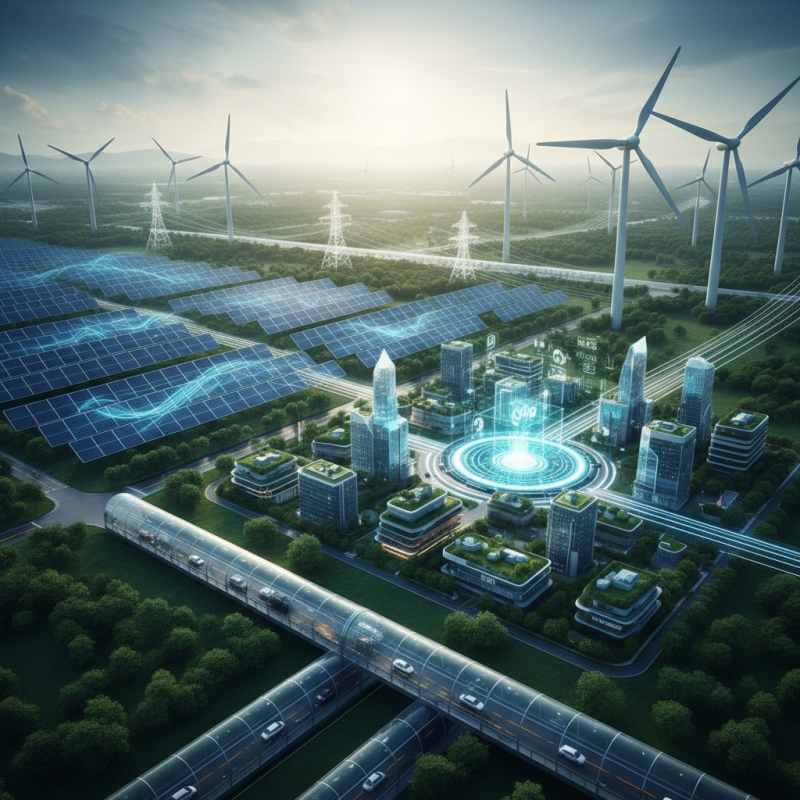
Understanding the Importance of Clean Energy Systems
Clean energy systems are crucial for a sustainable future. They help reduce carbon emissions and decrease our dependency on fossil fuels. The International Energy Agency (IEA) reports that renewable energy sources could account for 75% of global electricity generation by 2030. This shift is vital for combating climate change.
However, the transition is not without challenges. Many countries still rely heavily on coal and natural gas. According to a recent report, over 80% of the world’s energy comes from these sources. This dependency highlights a need for better policies and investment in clean technologies. A concerted effort is required to educate communities on the benefits of sustainable energy solutions.
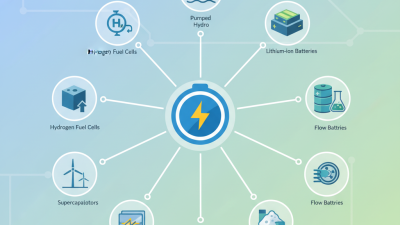
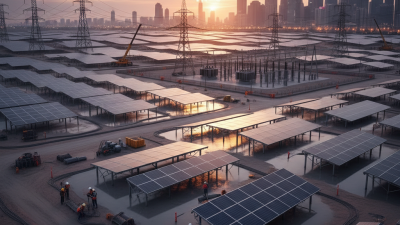
Implementing clean energy systems requires infrastructure improvements. Wind and solar farms need vast spaces and resources. Some regions face geographical limitations. Additionally, the intermittent nature of renewable sources can lead to reliability issues. Balancing energy supply remains a pressing concern. Investing in energy storage and smart grid technology is essential for overcoming these obstacles.
Clean Energy System Adoption by Year
This bar chart illustrates the increasing adoption rate of clean energy systems over the years from 2018 to 2023, highlighting the growing importance of sustainable energy solutions in our future.
Key Technologies for Clean Energy Generation
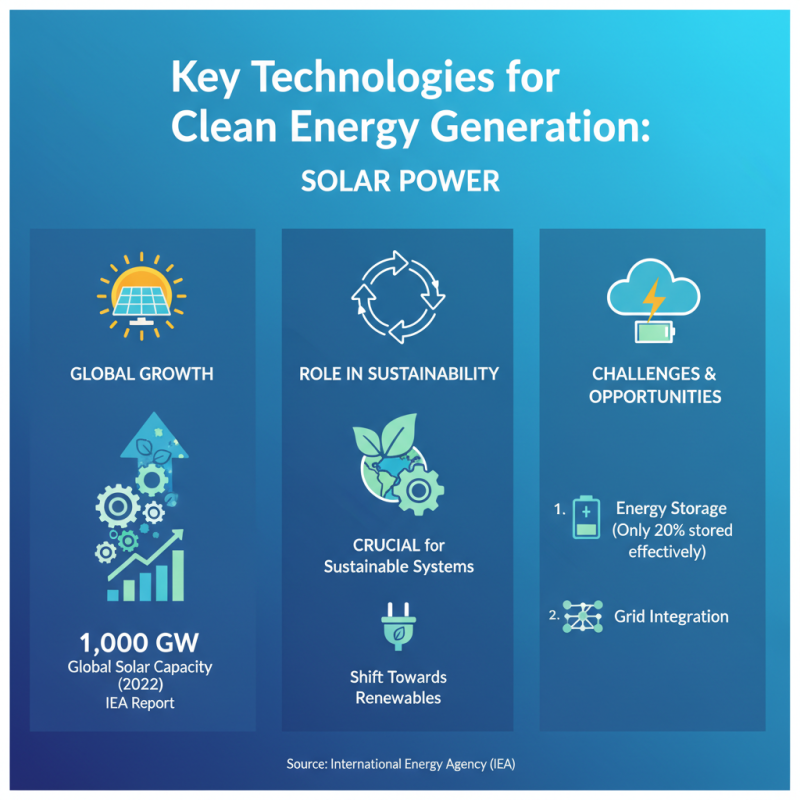
Clean energy generation plays a crucial role in building sustainable systems. One of the most promising technologies is solar power. According to the International Energy Agency (IEA), global solar capacity reached 1,000 GW in 2022. This significant growth indicates a shift towards renewable sources. However, solar energy still faces challenges. Energy storage and grid integration remain key hurdles. Just 20% of solar energy produced is stored effectively for later use.
Wind energy is another vital component of clean energy systems. The Global Wind Energy Council reported that total offshore wind capacity could exceed 234 GW by 2030. This growth depends on technological advancements and regulatory frameworks. Yet, the environmental impact of wind farms is sometimes overlooked. Wildlife disruption and visual pollution can lead to community pushback.
Hydropower also contributes significantly to clean energy generation. It accounts for about 16% of global electricity. However, large dam construction poses risks, including habitat destruction. Balancing energy needs with ecological concerns is essential. Continuous innovation and stakeholder collaboration are necessary for a cleaner, more sustainable future.
Strategies for Integrating Renewable Energy Sources
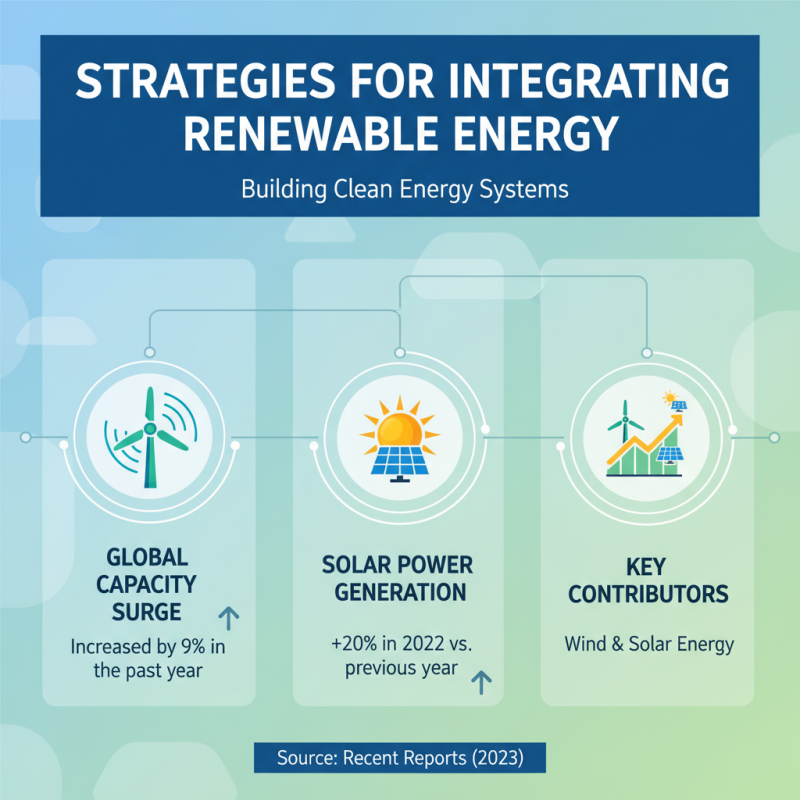
Integrating renewable energy sources is crucial for building clean energy systems. Recent reports indicate that global renewable energy capacity has surged by 9% in the past year alone. Wind and solar energy contribute significantly to this growth. In 2022, solar power generation increased by more than 20% compared to the previous year.
However, challenges remain. Energy storage technologies struggle to keep pace with supply from intermittent sources like solar and wind. Only about 6% of the world's total energy storage capacity is allocated to renewables. Investment in better battery technologies is urgent. Without this, we risk wasted potential as surges in renewable energy generation go unused.
Moreover, grid infrastructure often fails to support renewable integration effectively. In many regions, existing grids are outdated. They can’t handle bi-directional flows of energy. A study revealed that up to 30% of renewable energy could be curtailed due to grid limitations. Collaborative efforts among governments, utilities, and private sectors are essential for upgrading infrastructure. A united approach can enhance efficiency and transition to sustainable energy sources.
Building Infrastructure for Sustainable Energy Distribution
Building sustainable energy systems requires robust infrastructure. This means developing grids that can efficiently distribute renewable energy. Modern cities need intelligent networks to manage energy flow. These networks must adapt to changing demands and sources. A focus on local distribution can help reduce energy loss.
Solar panels and wind turbines are often scattered. Connecting them efficiently is essential. However, many existing grids struggle with integration. Some areas still rely on outdated technologies. Upgrading to smart grids can enhance connectivity and reliability. It allows for real-time energy monitoring and encourages consumer involvement.
Challenges remain, though. Not all regions prioritize investment in infrastructure. Political and financial constraints often hinder progress. Additionally, transitioning from fossil fuels requires careful planning. Supporting communities during this shift is crucial. We must learn from past mistakes and consider social impacts. Building clean energy systems is not just about technology; it’s also about people.
How to Build Clean Energy Systems for a Sustainable Future?
| Energy Source |
Efficiency (%) |
Carbon Emissions (gCO2/kWh) |
Investment Cost (USD/kW) |
Lifetime (Years) |
| Solar Power |
15-20 |
40-50 |
1000-3000 |
25 |
| Wind Power |
35-45 |
10-15 |
1200-1700 |
20 |
| Hydropower |
40-60 |
4-8 |
500-5000 |
50 |
| Geothermal |
10-20 |
20-40 |
2500-5000 |
30 |
| Biomass |
20-25 |
90-120 |
2000-4000 |
20 |
Government Policies and Community Initiatives for Clean Energy
Governments play a crucial role in promoting clean energy. They can implement policies that incentivize renewable energy projects. Grants, tax breaks, and subsidies encourage investment in solar and wind technologies. Communities benefit significantly from these investments, creating jobs and enhancing local economies. However, not all policies are effective. Some may favor larger corporations over small businesses.
Grassroots initiatives are equally vital. Local groups often spearhead projects to harness clean energy. Community solar gardens are an excellent example. Residents can invest in shared solar panels. This model makes renewable energy accessible to those who can't afford individual installations. Yet, these initiatives often face challenges, such as funding and community engagement.
Education is key to fostering a sustainable culture. Many communities lack awareness of clean energy benefits. Hosting workshops can enlighten citizens about energy efficiency. These programs should be inclusive, reaching diverse populations. Sometimes, the message gets lost in technical jargon, limiting participation. Addressing these communication gaps can help everyone contribute to clean energy efforts.