Best Heat Resistant Castings for Global Buyers Guide
In the world of manufacturing, "Heat Resistant Castings" play a crucial role. These castings endure extreme temperatures while maintaining their structural integrity. According to Dr. Emily Carter, a recognized expert in materials science, “Choosing the right heat resistant castings is a matter of both safety and efficiency.” Her insights underscore the importance of selecting quality materials.
Heat resistant castings are essential across various industries, including aerospace and automotive. They ensure optimal performance in high-temperature environments. Buyers must consider several factors, such as material composition and application. The right choice can lead to enhanced longevity and reduced operational costs. Yet, the complexity of this selection can be overwhelming.
Navigating the market requires diligence. Many options exist, but not all offer the same reliability. It's essential to critically evaluate suppliers and their products. An informed decision can prevent costly errors in production. In this guide, we will explore the top heat resistant castings available globally.
Overview of Heat Resistant Castings
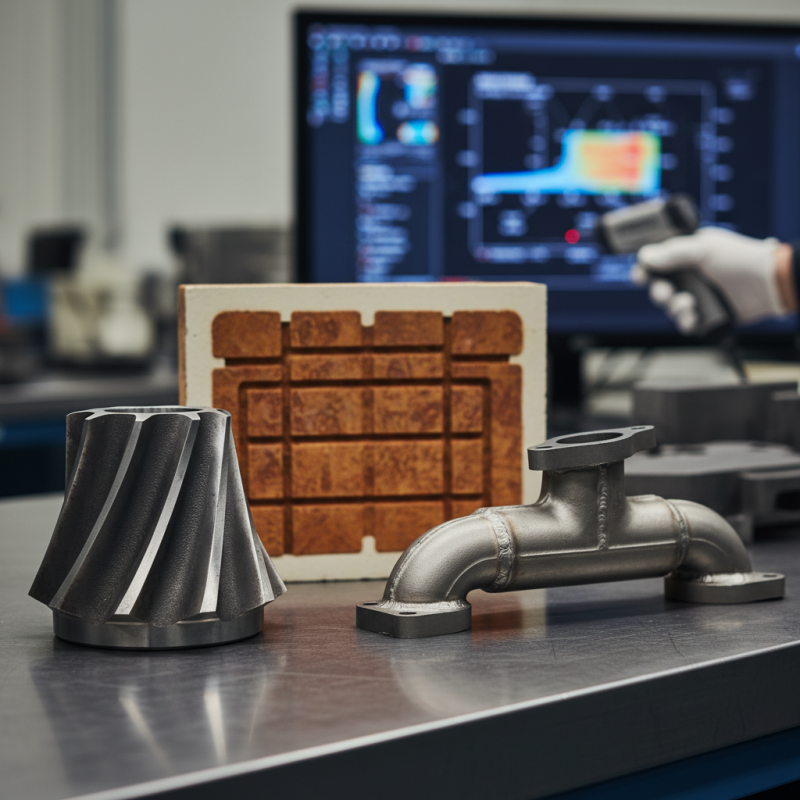
Heat resistant castings are crucial in industries ranging from aerospace to automotive. According to the Global Market Insights report, the heat resistant alloy market is expected to reach over $20 billion by 2027. This reflects a growing need for materials that can withstand extreme environments. Castings made from nickel-based and cobalt-based alloys are popular. These materials retain their strength even at high temperatures, often exceeding 1000°C.
The efficiency of heat resistant castings is essential for performance. They help to minimize thermal fatigue in engines and turbines. However, the manufacturing processes can be complex and costly. For example, investment casting and sand casting are common methods. Each has its own set of advantages and trade-offs. It’s important to choose the right technique based on the specific requirements of each application.
Despite advancements, there are still challenges. Defects can occur during casting, affecting material integrity. Continuous improvements in technology are necessary to enhance reliability. Research indicates that using advanced simulation techniques can mitigate some risks. Yet, many companies still face gaps in their production processes. Addressing these issues is vital for achieving optimal performance in heat resistant applications.
Best Heat Resistant Castings - Overview of Heat Resistance Performance
Types of Heat Resistant Materials and Their Properties
Heat resistant materials are essential in various industries. They withstand extreme temperatures without deforming. Different types offer unique properties suitable for specific applications.
Ceramics are a popular choice. They have excellent thermal stability. This makes them ideal for high-temperature environments. However, ceramics can be brittle, which limits their use in some applications.
Similarly, metals like stainless steel perform well in heat resistance. They provide strength and flexibility, yet they can corrode if not properly treated.
Another option is composite materials. These combine multiple elements to enhance performance. Composites can be lightweight and durable. Yet, they often have a higher cost and may require careful handling. Understanding the characteristics of each material can guide better decisions in applications.
Key Applications of Heat Resistant Castings in Various Industries
Heat resistant castings play a crucial role across various industries. The automotive sector relies heavily on these materials for components like exhaust systems. Data from recent industry reports show that approximately 55% of vehicles use heat resistant castings to withstand extreme temperatures and corrosive environments.
In the aerospace industry, heat resistant castings are vital too. These materials are essential for turbine engines, ensuring durability and performance under high-stress conditions. According to the Global Aerospace Materials Market report, the demand for heat resistant castings in this sector is projected to grow at a rate of 6% annually, highlighting their importance.
Moreover, the oil and gas industry often employs heat resistant castings in drilling equipment. Copper-based and nickel-based alloys are common choices. These materials endure high pressure and thermal cycling. Reports indicate that failing to use quality castings results in increased maintenance costs and risks. The reflections on this issue emphasize the need for better quality control in manufacturing processes.
Factors to Consider When Purchasing Heat Resistant Castings
When purchasing heat resistant castings, several key factors come into play. The first is the material composition. Different alloys respond to heat differently. Consider whether the casting will be exposed to high temperatures regularly. You want materials that demonstrate durability and strength under extreme conditions. Chromium and nickel are popular choices for enhancing heat resistance.
Another factor is the casting process itself. Different manufacturing techniques can affect the final product’s performance. Sand casting, investment casting, and die casting each have their pros and cons. The choice of method can influence the cast's integrity. Think about the complexity of your design. Some processes may not suit intricate shapes.
Quality assurance is crucial in this purchase. Look for suppliers who adhere to industry standards and certifications. This ensures a reliable and consistent product. However, remember that not all suppliers meet these standards perfectly. Always check reviews and ask for recommendations. Your decision impacts long-term performance and safety.
Global Suppliers and Manufacturers of Heat Resistant Castings
Heat resistant castings are essential in various industries, including aerospace, automotive, and manufacturing. Global suppliers focus on providing high-quality materials that endure extreme temperatures. According to industry reports, the global market for heat resistant castings is expected to grow significantly, reaching a valuation of over $5 billion by 2025. This growth highlights the increasing demand for durable and reliable components.
Manufacturers need to prioritize expertise in metallurgy and material science. The choice of materials, such as nickel-based alloys or stainless steel, plays a crucial role in performance. Heat resistant castings often face challenges like dimensional stability and thermal fatigue. A reliable supplier must address these issues through rigorous quality control processes.
Sourcing from experienced suppliers ensures access to the latest advancements in casting technologies. However, not all suppliers maintain consistent quality standards. Inconsistencies can lead to production delays or failures in critical applications. Buyers must conduct thorough research, focusing on suppliers with proven reliability and expertise. Investing time in supplier evaluations can mitigate risks and enhance operational efficiency.